


If you are considering Active Release Technique (ART) for a soft tissue problem, you may have stumbled across a worrying question: can Active Release Technique cause nerve damage? It is a fair concern because ART involves direct, targeted pressure on muscles, tendons, and sometimes the nerves that run through them. The short answer is that permanent nerve damage from ART is extremely uncommon when the technique is performed correctly by a trained clinician, but some temporary nerve irritation can occur. Understanding the difference between irritation and lasting damage can help you decide if ART is right for you.
In this guide, we explain how ART works, what side effects are typical, which nerve-related conditions it is designed to treat, and the safety measures we use to keep your nerves protected. We will also look at who should avoid ART and what the evidence says about serious complications.
What is Active Release Technique (ART)?
Active Release Technique is a hands-on soft tissue treatment that uses a combination of precisely directed tension and patient movement. It is often described as a form of deep tissue massage with a specific protocol: the practitioner shortens the muscle, applies a contact tension with their hand or thumb, and then guides you through a range of motion while maintaining that tension. The goal is to break up adhesions and scar tissue that can restrict movement, cause pain, or trap nearby nerves. ART is used by chiropractors, physiotherapists, and other manual therapists to treat a wide range of musculoskeletal complaints.
- Back pain and neck stiffness
- Carpal tunnel syndrome
- Sciatica and leg pain
- Headaches
- Knee problems
- Plantar fasciitis
- Shin splints
- Shoulder pain and tennis elbow
Because ART is designed to target adhesions around nerves, it is often recommended for nerve entrapment syndromes. That raises a natural question: if it works on nerves, could it hurt them? We will address that directly, but first it helps to understand the mechanism more closely.

How Does ART Work? Understanding the Mechanism
The ART Protocol
The ART protocol follows a predictable sequence. First, we identify the area of tissue restriction through palpation and movement testing. Then we shorten the tissue to a position of comfort, apply a firm tension with our hands, and ask you to actively lengthen the tissue through a specific motion. This combination of tension and movement is repeated along the length of the muscle, tendon, or nerve pathway. The tension is not static; it is adjusted with each repetition to follow the tissue as it moves beneath our fingers.
Manual Manipulation of Soft Tissues
ART uses manual manipulation to physically break down scar tissue and adhesions. Adhesions are bands of fibrous tissue that form after injury, surgery, or repetitive strain. They can cause muscles to become tight and short, restrict joint mobility, and create friction where tissues should glide smoothly. By applying controlled tension, we create a mechanical stress that encourages the tissue to remodel, improve blood flow, and restore normal sliding between layers.
Releasing Nerve Entrapments
Nerves travel through and between muscles, often passing under tight bands or through narrow tunnels. When surrounding soft tissue becomes adhered or inflamed, it can compress or tether the nerve, leading to symptoms like numbness, tingling, burning, or weakness. ART is specifically designed to release these entrapments by freeing the nerve from the surrounding tissue. The key safety insight is that the technique is not applied directly to the nerve itself in a forceful way; instead, tension is applied to the surrounding tissues while the nerve is allowed to glide. This reduces the likelihood of injuring the nerve.
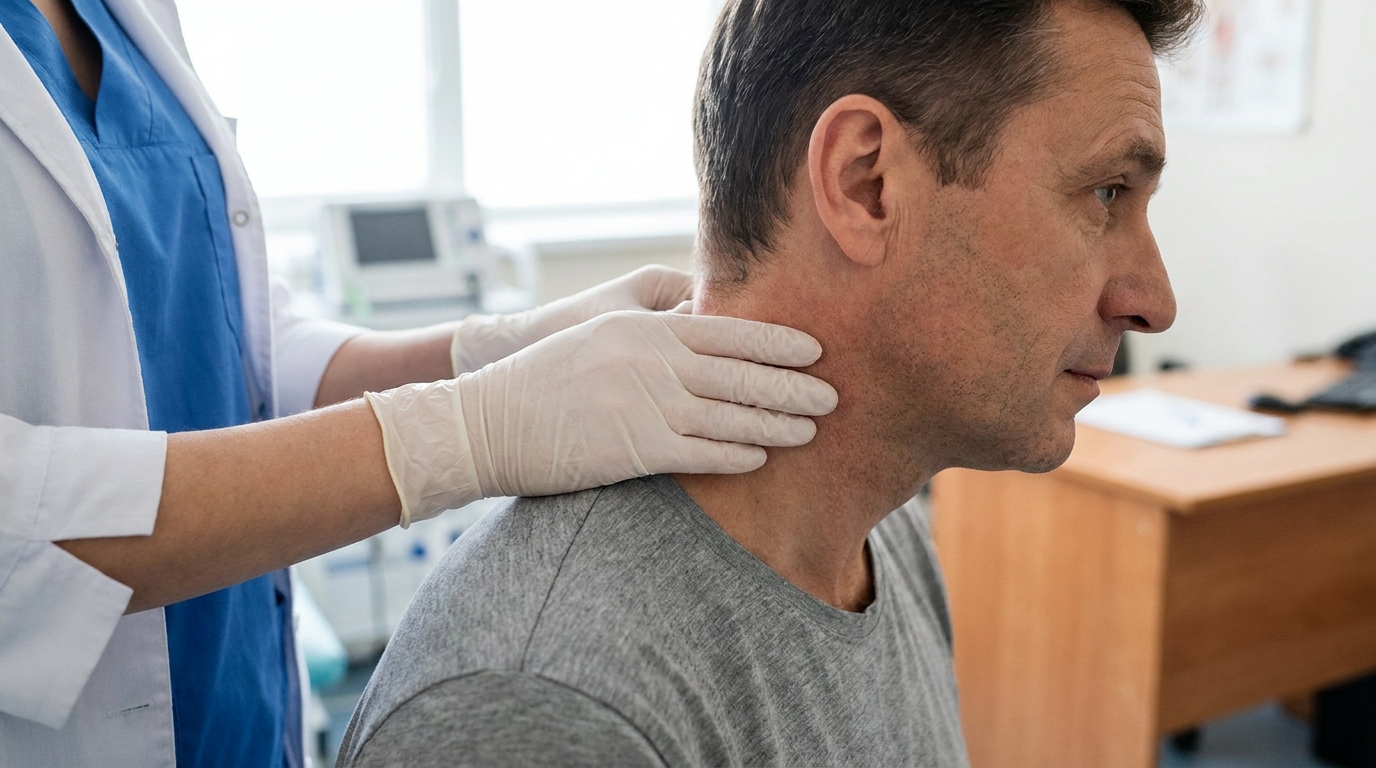
Nerve-Related Conditions Treated by ART
ART is widely used for conditions where a nerve is compressed or irritated. By releasing the surrounding soft tissue, it can reduce pressure on the nerve and improve its ability to glide. This is why the technique is often recommended for several common nerve entrapment syndromes.
Carpal Tunnel Syndrome
In carpal tunnel syndrome, the median nerve is compressed as it passes through the wrist. ART can target the flexor muscles of the forearm, the transverse carpal ligament, and other soft tissues that may be contributing to the compression. By reducing tension in these structures, we can often relieve pressure on the nerve and decrease symptoms like hand numbness and tingling.
Sciatica
Sciatica involves irritation or compression of the sciatic nerve, often from tight muscles in the buttock such as the piriformis or from adhesions along the back of the leg. ART can release these restrictions, allowing the nerve to move more freely and reducing radiating leg pain. The technique is especially useful when the nerve is tethered by scar tissue rather than by a disc herniation.
Other Nerve Entrapment Syndromes
ART can also be applied to conditions like thoracic outlet syndrome, ulnar nerve entrapment at the elbow, peroneal nerve entrapment at the knee, and other peripheral nerve compression issues. In each case, the goal is to identify the specific soft tissue structures that are restricting the nerve and release them without putting undue stress on the nerve itself.
Potential Side Effects and Risks of ART
Like any manual therapy, ART can produce side effects. Most are mild and short-lived, but it is important to know what to expect. The most common reaction is soreness in the treated area, similar to the feeling after a deep tissue massage or intense workout.
Common Mild Side Effects
- Localized muscle soreness or tenderness for 24–48 hours
- Mild bruising if the tissue is very sensitive or if a lot of pressure is used
- Temporary fatigue or lightheadedness after treatment
- Brief increase in symptoms before improvement, as the tissue responds to the mechanical stress
Risk of Nerve Irritation
Because ART works near nerves, there is a possibility of temporary nerve irritation. This might feel like a short-lived increase in tingling, numbness, or a mild electric sensation along the nerve pathway during or immediately after the session. In almost all cases, this subsides within a few minutes to a few days. It is not the same as nerve damage, which involves structural injury to the nerve and results in persistent or worsening neurological deficits.
Managing Post-Treatment Discomfort
If you experience soreness after ART, you can usually manage it with rest, gentle movement, and applying ice to the area for 10–15 minutes at a time. We recommend drinking water and avoiding strenuous activity for the rest of the day. If you notice any sharp, shooting pain that persists, or new weakness, you should contact your clinician right away. These are not typical and warrant further evaluation.

Can ART Cause Nerve Damage? Examining the Evidence
This is the central question, and the answer requires a careful distinction between nerve irritation and nerve damage. Based on the way ART is designed—to release nerves, not to crush them—serious nerve damage is highly unlikely when the technique is applied correctly. However, no manual therapy is completely risk-free, and certain factors can increase the chance of a nerve being harmed.
Direct Nerve Trauma
Direct trauma to a nerve during ART would require excessive, sustained pressure directly on the nerve trunk, or a forceful stretch applied rapidly. A properly trained clinician avoids this by using controlled tension, staying within the patient’s tolerance, and never pressing directly on a nerve that is already inflamed or hypersensitive. The risk is also reduced because the nerve is protected by surrounding tissue and is mobile; it can slide away from pressure to some extent. In rare cases, a nerve may be anatomically superficial, and a clinician must be careful to avoid prolonged compression.
Aggravation of Pre-existing Conditions
If you already have a nerve condition—such as severe peripheral neuropathy, a recent nerve injury, or a nerve that is trapped by a sharp structure like a bone spur—ART could potentially aggravate it. The added mechanical pressure might worsen inflammation or cause a temporary increase in symptoms. This is why a thorough assessment is essential before treatment begins. We will not proceed with ART if we believe the risks outweigh the benefits.
Review of Reported Cases
Published case reports of permanent nerve injury directly caused by ART are extremely rare. The vast majority of adverse events reported with manual therapy involve transient soreness or temporary symptom flare-ups. In our clinical experience, we have seen patients experience brief nerve irritation, but not lasting damage. That said, if you search online forums, you will find isolated stories of people who felt worse after ART, usually describing increased pain or tingling that resolved over time. These reports highlight the importance of choosing a qualified practitioner and communicating openly during treatment.
Safety Protocols: What to Expect During an ART Session
We take several steps to minimize any risk of nerve damage or other complications. Every session follows a structured safety process, and you are always in control.
Thorough Assessment
Before we begin treatment, we conduct a detailed history and physical examination. We ask about your symptoms, previous injuries, surgeries, and any medical conditions that could affect nerve health. We also perform movement tests to identify which tissues are restricted and whether a nerve is involved. This helps us choose the safest and most effective treatment approach.
Informed Consent and Communication
We explain exactly what we will do, where we will place our hands, and what you should feel. You should never feel that a treatment is being done to you without your understanding. During the session, we ask for feedback about pressure and sensation. If anything feels sharp, electric, or overly intense, we adjust immediately. This real-time communication is one of the most important safety mechanisms in ART.
Techniques to Minimize Risk
We use controlled, graded pressure rather than sudden force. We avoid direct, sustained compression over known nerve pathways unless it is warranted and tolerated. We also respect tissue irritability: if a nerve is already highly sensitive, we may start with gentler techniques and progress slowly. Every session at our clinic is one-on-one with your clinician’s full attention, which allows us to monitor your response continuously and make adjustments on the spot.

Contraindications: Who Should Avoid ART?
ART is not appropriate for everyone. Certain conditions increase the risk of nerve injury or other complications, so we carefully screen for these before recommending treatment.
Peripheral Neuropathy
If you have peripheral neuropathy—especially if it causes significant sensory loss—you may not be able to feel normal pressure or pain, making it harder to give feedback and easier to inadvertently apply too much force. In such cases, we often recommend alternative treatments or use ART only with extreme caution and lighter pressure.
Acute Nerve Injury
If you have suffered a recent nerve injury, such as a nerve laceration, severe compression, or a nerve that was recently repaired surgically, ART should be avoided in the affected area until the nerve has healed sufficiently. Applying tension to a healing nerve could disrupt the repair process or cause new damage.
Other High-Risk Conditions
Other conditions that may make ART inadvisable include active infection or inflammation in the treatment area, bleeding disorders, certain vascular conditions, and cancer that has spread to the bones or soft tissues. Pregnancy does not automatically rule out ART, but we modify our approach and avoid certain areas. Always disclose your full medical history so we can determine if ART is safe for you.
Research and Expert Opinions on ART Safety
The body of formal research on ART is still growing, but the available evidence and expert consensus point to a favorable safety profile. Most clinicians who use ART report that serious adverse events are rare, and that the technique is well tolerated when performed correctly.
Clinical Studies
Clinical studies on ART have primarily focused on its effectiveness for conditions like carpal tunnel syndrome, shoulder pain, and hamstring tightness. These studies typically report few side effects, with the most common being temporary soreness. No published trials have identified a pattern of nerve damage associated with the technique. However, the overall number of high-quality studies is limited, so safety data are often extrapolated from related manual therapy research.
Expert Consensus
Experts in manual therapy generally agree that ART, when performed by a trained practitioner with proper assessment, carries a low risk of serious complications. The technique’s emphasis on patient movement and feedback inherently limits the amount of sustained pressure that can be applied to a nerve. This consensus is reflected in the widespread use of ART in sports medicine and rehabilitation settings.
Anecdotal Reports
In online communities and patient forums, most people who share their ART experiences describe positive outcomes or only mild, short-lived side effects. Negative reports tend to involve increased soreness or a temporary flare of symptoms, not permanent nerve injury. These anecdotes align with the clinical picture: ART is not a zero-risk treatment, but the risks are generally mild and manageable.
Conclusion: Weighing the Risks and Benefits of ART
So, can Active Release Technique cause nerve damage? Permanent nerve damage from ART is extremely rare when the technique is performed by a skilled clinician who respects safety protocols. Temporary nerve irritation is possible but usually resolves quickly and is not a sign of lasting harm. The benefits of ART—reduced pain, improved mobility, and release of entrapped nerves—often outweigh the small risks for people with soft tissue restrictions.
If you are considering ART, the most important steps are to choose a practitioner who is properly trained, communicate openly about your symptoms and concerns, and report any unusual sensations immediately. We are always happy to answer your questions and help you determine if ART is a safe option for your specific situation. Contact us to schedule a thorough assessment and discuss whether this treatment is right for you.