

If you have been feeling dizzy, off-balance, or lightheaded and also notice jaw clicking, facial tension, or difficulty chewing, your temporomandibular joint (TMJ) may be involved. Can TMJ disorder cause dizziness? Understanding the link between your jaw and balance starts with a simple anatomical fact: the jaw joint sits directly in front of the ear, sharing nerves, muscles, and bony structures with the inner ear’s balance system.
When the TMJ becomes inflamed, misaligned, or overloaded, it can send confusing signals to the vestibular system—the part of the inner ear and brain that keeps you upright and stable. The result is often a lingering sense of unsteadiness that doesn’t respond to typical vertigo treatments. In this guide, we explain how jaw dysfunction contributes to dizziness, the symptoms to recognize, and the professional treatment pathways that address the root cause rather than just masking the sensation.

What is TMJ Disorder?
Definition and anatomy of the temporomandibular joint
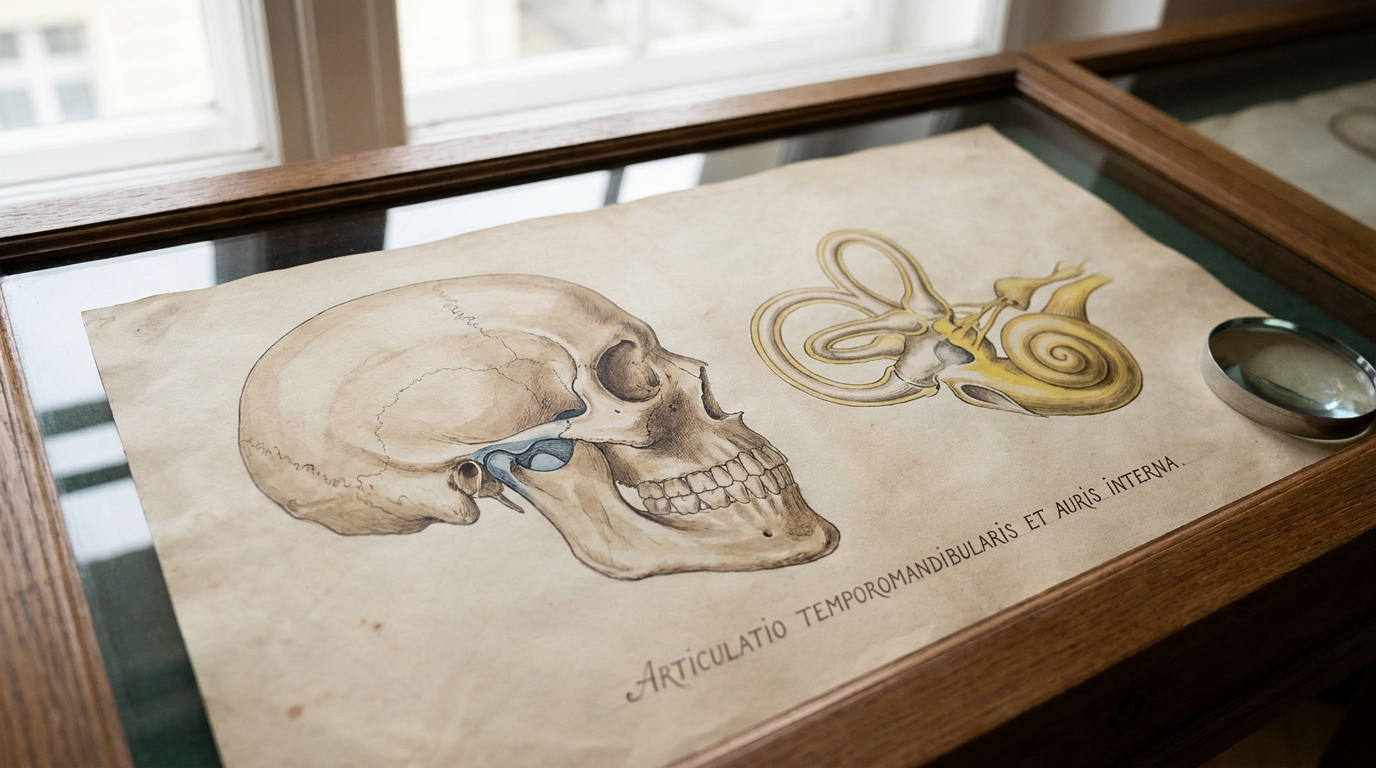
The temporomandibular joint connects the lower jaw (mandible) to the temporal bone of the skull on each side of the head, just in front of the ear. A small cartilage disc sits between the bones, allowing smooth gliding and rotation during chewing, speaking, and yawning. TMJ disorder (TMD) refers to a group of conditions that cause pain, dysfunction, or inflammation in this joint and the surrounding muscles.
The joint’s proximity to the ear canal and inner ear structures means that even minor joint swelling or muscle spasm can affect nearby tissues. This is why jaw problems often produce ear-related symptoms such as fullness, tinnitus, or balance changes.
Common causes and risk factors
- Teeth grinding and clenching (bruxism), often during sleep or times of stress
- Jaw injury or trauma, such as whiplash or a direct blow to the face
- Arthritis, including osteoarthritis or rheumatoid arthritis affecting the joint
- Chronic stress and poor posture, especially forward head posture that strains jaw and neck muscles
- Joint disc displacement or structural misalignment
Prevalence and demographics
TMD is common, with studies suggesting that millions of people experience symptoms at some point. It affects women more often than men, particularly between the ages of 35 and 44, though it can occur at any age. Many cases go undiagnosed because the symptoms—such as headache, earache, or dizziness—are attributed to other conditions.
How TMJ Disorder Can Cause Dizziness
The connection between the jaw and inner ear
The temporomandibular joint is separated from the inner ear by only a thin layer of bone. When the joint is inflamed or the muscles around it are tight, pressure can be transmitted to the inner ear structures. The inner ear contains the vestibular labyrinth, which senses head position and movement; any disturbance there can produce a false sensation of motion or unsteadiness.
In some cases, TMJ dysfunction affects the Eustachian tube, which connects the middle ear to the throat and helps equalize pressure. Swelling or muscle spasm near the jaw can compress this tube, altering middle ear pressure and leading to a feeling of fullness or dizziness.
Muscle tension and its impact on balance
Jaw clenching and grinding cause sustained contraction of the masseter, temporalis, and pterygoid muscles. These muscles attach near the skull base and neck, and their tension can restrict blood flow and compress nerves that serve the inner ear. The resulting muscle splinting can also alter head posture, forcing the neck to compensate and further disrupting the body’s sense of equilibrium.
Nerve pathways linking TMJ to vestibular system
The trigeminal nerve, which supplies sensation to the face and controls jaw muscles, has connections with the vestibular nuclei in the brainstem. Irritation from an inflamed TMJ can travel along these pathways and amplify dizziness signals. Additionally, the sympathetic nervous system may become overactive during TMJ flare-ups, contributing to lightheadedness and a sense of being off-balance.
Types of Dizziness Associated with TMJ
Differentiating dizziness, vertigo, and lightheadedness
- Dizziness is a broad term for feeling unsteady, floating, or off-balance.
- Vertigo is a specific spinning sensation, as if you or the room are moving.
- Lightheadedness is a feeling of faintness or nearly passing out, often linked to blood pressure changes.
People with TMJ disorders most often describe a non-spinning unsteadiness or a floating feeling rather than true rotational vertigo, though spinning can occur if the inner ear is strongly affected.
Characteristics of TMJ-related dizziness
- Worsens with jaw movement, chewing, talking, or yawning
- Accompanies jaw pain, clicking, or limited mouth opening
- Often triggered or worsened by stress, teeth grinding, or poor posture
- May be present with ear fullness, tinnitus, or a sensation of pressure in the ears
- Does not usually respond to typical vertigo maneuvers like the Epley maneuver
When dizziness may indicate a different condition
If dizziness is sudden, severe, or accompanied by chest pain, fainting, double vision, slurred speech, or weakness on one side, seek emergency care. These symptoms can indicate a cardiovascular or neurological emergency rather than a TMJ problem. Chronic dizziness that persists without any jaw symptoms should be evaluated for inner ear disorders, cervical spine issues, or other causes.

Other Symptoms That Often Accompany TMJ-Related Dizziness
Ear-related symptoms (tinnitus, fullness, pain)
Because the TMJ and ear share a tight anatomical space, many people with TMD experience ear symptoms without any actual ear infection. These include ringing or buzzing in the ears (tinnitus), a feeling of fullness or pressure, muffled hearing, and ear pain that may radiate from the jaw.
Headaches and migraines
TMJ-related headaches are often tension-type headaches that start at the temples or behind the eyes and radiate to the back of the head. They can be mistaken for migraines, especially when accompanied by nausea and light sensitivity. Jaw clenching at night is a common trigger for morning headaches.
Jaw and facial pain
Pain or tenderness in the jaw joint, cheeks, or temples is a hallmark of TMD. You may also notice clicking, popping, or grating sounds when opening or closing the mouth, and the jaw may feel stiff or lock momentarily. This pain often worsens after prolonged chewing or speaking.
Diagnosing TMJ-Related Dizziness
Medical history and clinical examination
A thorough assessment begins with questions about your dizziness episodes, jaw habits, stress levels, sleep quality, and any history of teeth grinding or clenching. The clinician will examine jaw range of motion, listen for clicking or popping, and palpate the muscles around the joint, face, and neck to identify tenderness or spasm.
Imaging and diagnostic tests
In some cases, imaging such as panoramic X-rays, cone beam CT, or MRI may be used to evaluate the joint disc position, bone surfaces, and soft tissues. These tests help rule out arthritis, structural damage, or disc displacement. However, many TMJ disorders are diagnosed primarily through clinical findings without imaging.
Differential diagnosis to rule out other causes
Because TMJ-related dizziness mimics other conditions, a differential diagnosis is essential. BPPV (benign paroxysmal positional vertigo), Meniere’s disease, vestibular neuritis, and cervical dizziness must be considered. Your healthcare team may coordinate with an ear, nose, and throat specialist or a neurologist when the cause is unclear.

Professional Treatment Options for TMJ Dizziness
Dental interventions (splints, orthodontics)
Custom-fitted oral splints or mouth guards can reduce teeth grinding, stabilize the jaw joint, and relieve pressure on the inner ear. In some cases, orthodontic treatment or dental restoration may be recommended to correct bite misalignment that contributes to joint strain. These interventions are provided by dentists or dental specialists trained in TMD.
Physical therapy and jaw exercises
Manual therapy, postural retraining, and targeted jaw exercises can release muscle tension, improve joint mobility, and restore balance. We often combine gentle jaw stretches with neck and upper back work, because forward head posture is a major contributor to TMJ-related dizziness. At Fulcrum Therapy, our clinicians integrate chiropractic, physiotherapy, and massage to address both the jaw mechanics and the vestibular symptoms that often accompany TMJ dizziness.
Specific exercises may include resisted mouth opening, side-to-side jaw movements, chin tucks, and relaxation techniques for the masseter and temporalis muscles. Your clinician will design a program based on your specific joint dysfunction and symptom pattern.
Medications and other medical treatments
Non-steroidal anti-inflammatory drugs (NSAIDs), muscle relaxants, or low-dose tricyclic antidepressants may be prescribed to reduce pain and muscle spasm. In select cases, Botox injections into the jaw muscles can reduce clenching and ease pressure on surrounding structures, which may indirectly improve dizziness. Acupuncture and transcutaneous electrical nerve stimulation (TENS) are also used as adjunct therapies to relieve muscle tension.
When to See a TMJ Specialist
Persistent or worsening symptoms
If jaw pain, clicking, or dizziness persists for more than a few weeks despite rest and self-care, it is time to seek professional evaluation. Symptoms that gradually worsen or begin to interfere with eating, speaking, or sleeping also warrant a specialist referral.
Impact on daily life and quality of life
Dizziness that makes you afraid to drive, climb stairs, or exercise can significantly reduce independence. Frequent headaches, facial pain, and unsteadiness affect work performance and social activities. Seeking care early can prevent the condition from becoming chronic and help you regain confidence in movement.
Red flags requiring immediate attention
Seek urgent medical care if you experience sudden hearing loss, severe vertigo with vomiting, double vision, slurred speech, weakness, or difficulty walking. These symptoms may indicate a stroke, inner ear emergency, or other serious condition that needs immediate treatment, not just TMJ management.
Frequently Asked Questions About TMJ and Dizziness
Can TMJ dizziness be cured?
Yes, in many cases, TMJ-related dizziness improves or resolves completely once the underlying jaw dysfunction is treated. The outcome depends on the cause, severity, and how long the condition has been present. A combination of dental appliances, manual therapy, posture correction, and stress management often yields lasting relief.
How long does TMJ dizziness last?
The duration varies. Some people experience brief episodes during jaw flare-ups, while others have persistent unsteadiness for weeks or months. With consistent treatment, many patients notice improvement within a few weeks, though full resolution may take longer if the joint or muscles have been dysfunctional for a long time.
Are there triggers that make TMJ dizziness worse?
Yes. Common triggers include chewing hard or chewy foods, prolonged talking, yawning widely, teeth grinding at night, stress, poor posture, and sudden head movements. Keeping a symptom diary can help you and your clinician identify your specific triggers and adjust your treatment plan accordingly.