


If you are weighing Clinical Pilates vs. Traditional Pilates: What’s the Difference?, the answer often comes down to who is prescribing the exercises and why. Traditional Pilates gives you a structured movement practice built around strength, control, and flow. Clinical Pilates takes those same principles and adapts them to an individual body, typically as part of a rehabilitation or injury prevention plan.
Understanding the differences in instructor training, assessment, and goals can help you avoid wasted effort or, more importantly, an exercise that aggravates an existing condition. Below, we break down each approach side by side so you can decide with confidence.
What is Traditional Pilates?
Traditional Pilates is a low-impact exercise system developed by Joseph Pilates in the early twentieth century. It focuses on controlled movement, breath, and core engagement. The original method, which Joseph Pilates called Contrology, includes a set sequence of mat exercises and equipment-based work on the reformer, Cadillac, and Wunda Chair. Classes typically follow a standardized format, and participants work through movements designed to build strength, flexibility, and body awareness.
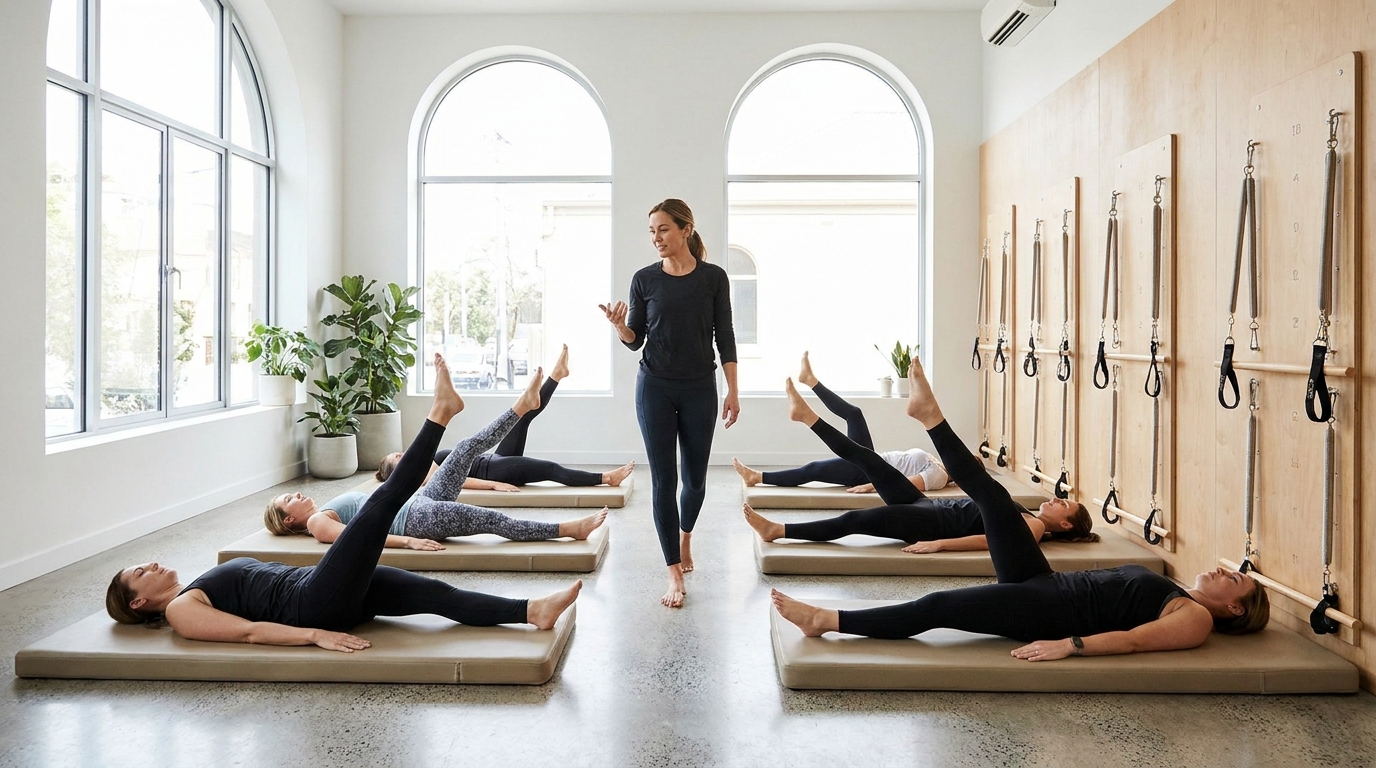
In a traditional Pilates class, the instructor leads a group through a planned sequence. The exercises are generally the same for everyone in the room, though modifications may be offered. The primary aim is general fitness: improving posture, balance, endurance, and muscular control without targeting a specific injury or pathology.
What is Clinical Pilates?
Clinical Pilates is a therapeutic adaptation of traditional Pilates developed and delivered by healthcare professionals, most often physiotherapists. It retains the core principles of centering, concentration, control, precision, breath, and flow, but every exercise choice is filtered through a clinical lens. Before any movement begins, the clinician performs a detailed assessment of your movement patterns, pain history, strength deficits, and functional goals.
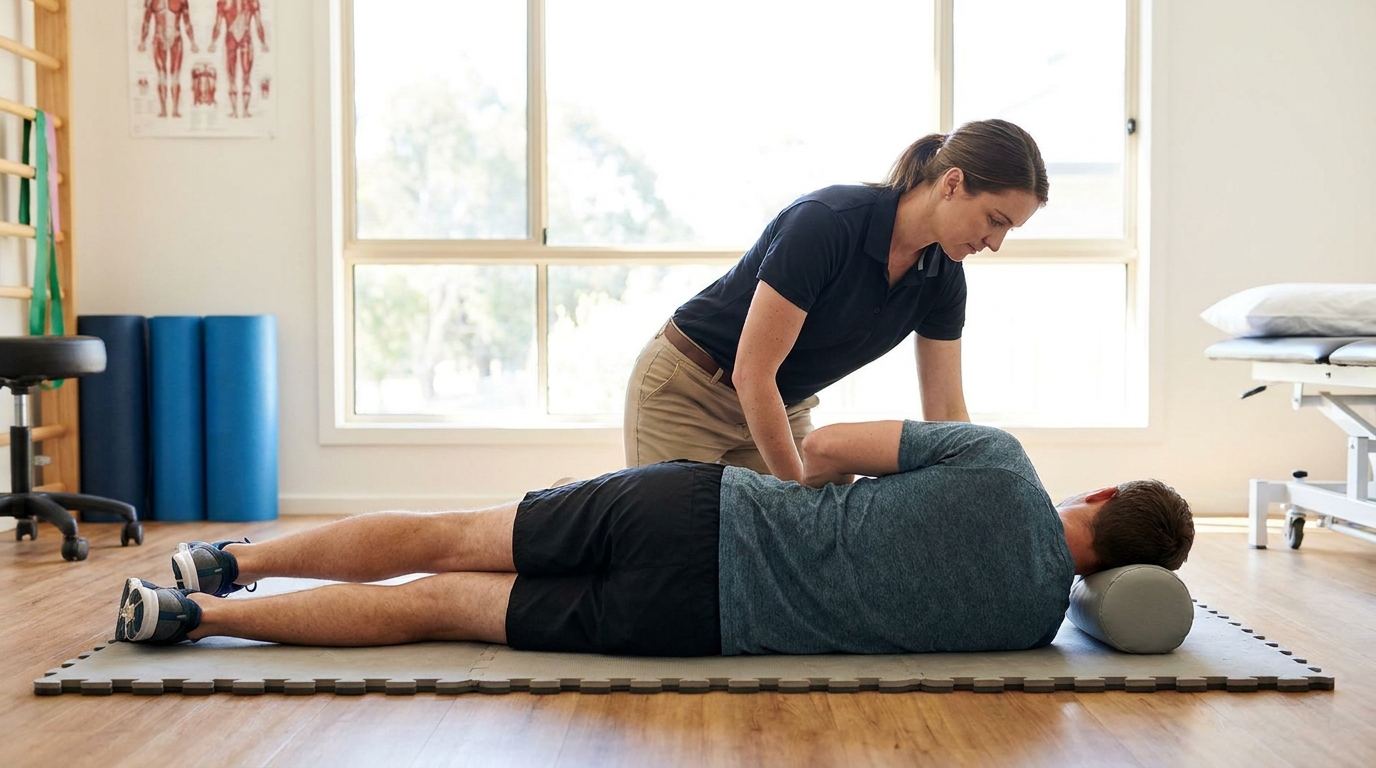
Because clinical Pilates starts with an individual assessment, the program is not a generic routine. A person recovering from a disc-related low back pain will receive different exercises than someone rebuilding shoulder stability after surgery, even though both are doing Pilates-based movement. The goal is rehabilitation, motor control, and safe return to daily activity.
Instructor Qualifications: Who Leads Each Type?
Traditional Pilates Instructors
Traditional Pilates instructors typically complete a comprehensive certification program through a recognized Pilates school, often requiring hundreds of hours of practice and teaching. They are trained in exercise progression, cueing, and apparatus safety, but their background is fitness-oriented, not medical. This means they can effectively teach healthy individuals how to move well and build strength, but they may not have the training to diagnose or modify around complex injuries without additional education.
Clinical Pilates Instructors
Clinical Pilates is taught or programmed by a licensed health professional such as a physiotherapist, often with additional certification in Pilates. They have university-level training in anatomy, physiology, biomechanics, and pathology. This dual expertise allows them to select and adapt exercises based on a specific diagnosis, monitor tissue healing, and progress or regress a program as your body responds. In many clinical Pilates settings, the same clinician who assessed you remains involved throughout your program.
Assessment and Personalization: How Programs are Developed
Traditional Pilates: Standardized Approach
In traditional Pilates, you typically walk into a class and join a planned sequence. The instructor may ask about injuries before class, but there is no formal one-on-one physical assessment. The exercises follow a set order or theme, and the instructor’s attention is divided among all participants. While you can still gain significant benefits, the program is not built around your specific joint mobility, pain triggers, or asymmetries.
Clinical Pilates: Individualized Assessment
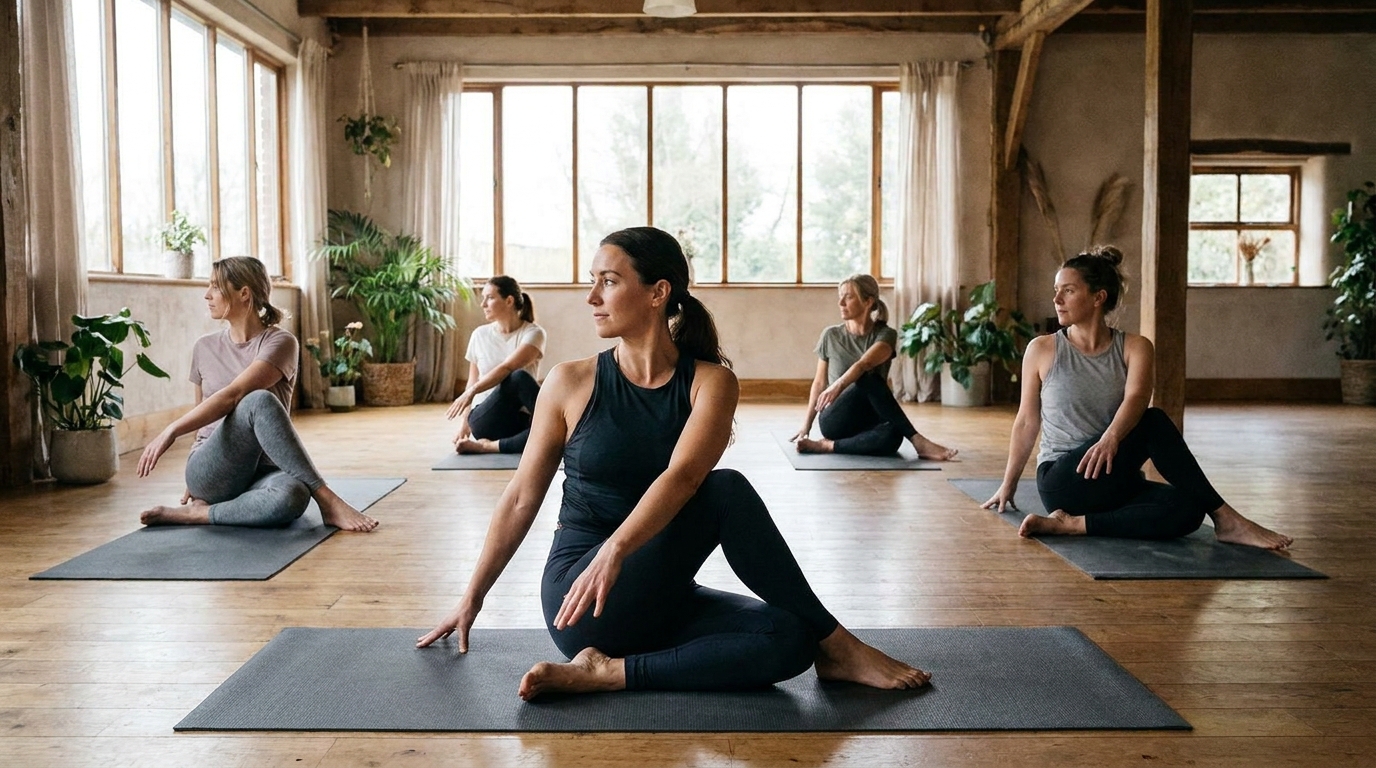
Clinical Pilates always begins with a thorough one-on-one assessment. We watch you move through basic patterns, test muscle length and strength, identify compensations, and discuss your injury or pain history. That data becomes the foundation for a tailored exercise plan. Every session is one-on-one or in a very small group only after the individual program is established, so the exercises evolve as your movement quality improves or your symptoms change.
Goals and Focus: General Fitness vs Rehabilitation
Traditional Pilates Goals
Traditional Pilates primarily targets general fitness and wellness. The goals are improved core strength, better posture, greater flexibility, balance, and overall body conditioning. It is excellent for people who want a consistent, low-impact workout that challenges control and endurance without a specific therapeutic endpoint.
Clinical Pilates Goals
Clinical Pilates is designed for rehabilitation, injury prevention, and management of specific musculoskeletal conditions. Goals may include reducing low back or neck pain, restoring movement after surgery, improving motor control around an unstable joint, retraining pelvic floor function, or building resilience after a sports injury. Progress is measured against functional outcomes like pain-free range of motion, load tolerance, or return to sport.
Safety and Suitability: Who Should Do Which?
When Traditional Pilates is Appropriate
Traditional Pilates is appropriate for generally healthy individuals without acute pain or recent injury. If you are looking for a group exercise experience to improve strength and flexibility, and you can follow verbal and visual cues without needing medical oversight, traditional Pilates is a solid choice. It can also serve as a maintenance activity after you have completed a rehabilitation program.
When Clinical Pilates is Recommended
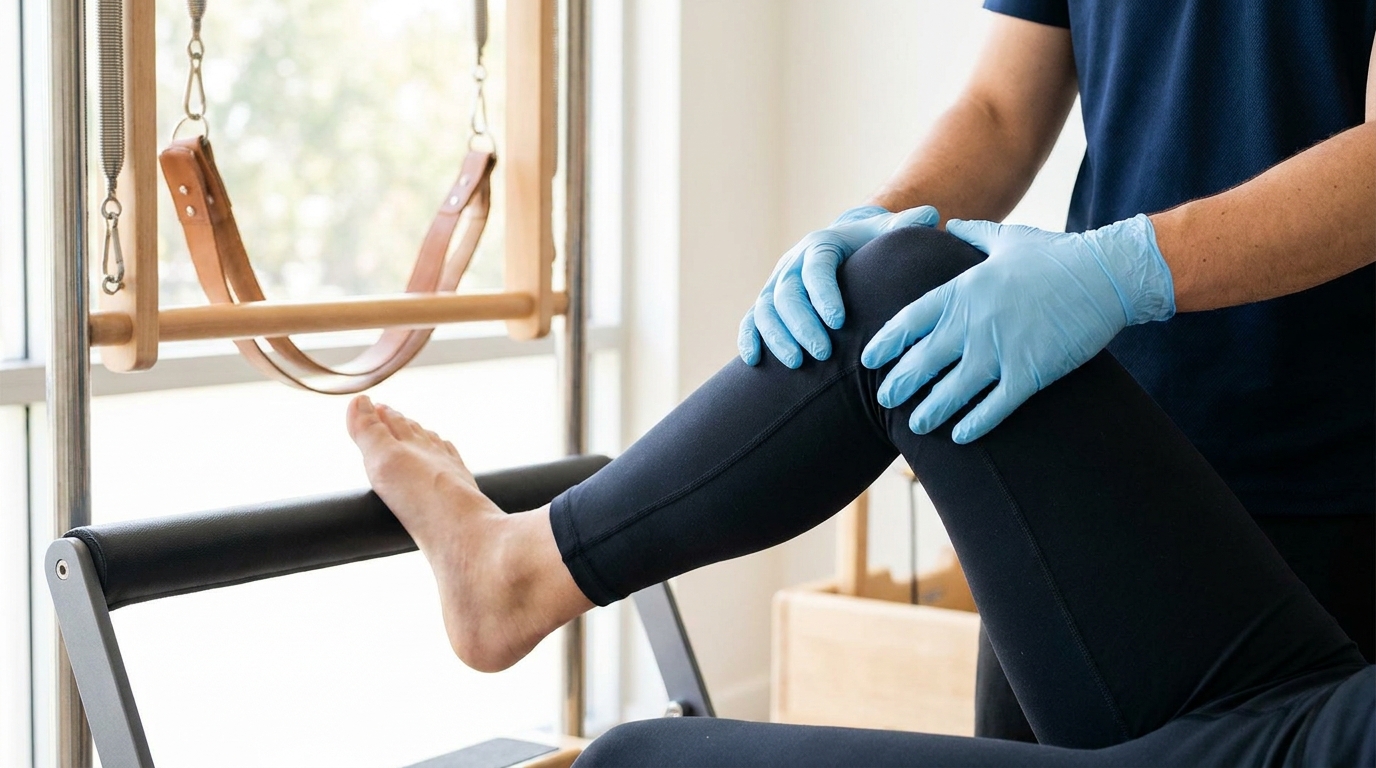
Clinical Pilates is recommended when you have a specific injury, chronic pain, recent surgery, a neurological condition, pelvic floor dysfunction, or any movement concern that would benefit from professional assessment and individualized programming. It is also the safer starting point if you have been sedentary for a long time or have a condition like osteoporosis, disc herniation, or joint instability. The clinician can rule out red flags and ensure every exercise supports healing rather than aggravating the underlying issue.
Benefits of Each Approach
Benefits of Traditional Pilates
Traditional Pilates improves overall core stability, posture, flexibility, and mind-body connection. The group format can be motivating, and the consistent practice builds endurance and confidence in movement. For many people, it is an accessible and enjoyable way to stay active without high impact.
- Builds balanced strength across the whole body
- Improves posture and body alignment
- Enhances flexibility and joint mobility
- Develops breath control and concentration
- Offers a social, motivating group environment
Benefits of Clinical Pilates
Clinical Pilates delivers targeted outcomes that matter for rehabilitation and long-term resilience. Because the program is based on your assessment, you are more likely to address the root cause of your pain rather than simply exercising around it. This leads to better motor control, reduced symptom flare-ups, and a safer return to the activities you enjoy.
- Reduces pain associated with low back, neck, hip, and shoulder conditions
- Improves core and pelvic floor coordination for functional strength
- Restores movement quality after injury or surgery
- Progresses safely without aggravating the healing tissue
- Builds confidence in movement through supervised, customized progressions
How to Choose Between Clinical and Traditional Pilates
Assessing Your Needs and Goals
Start by clarifying what you want from Pilates. If you are pain-free, have no major movement limitations, and want a general fitness class that strengthens and stretches, traditional Pilates can meet that need. If your primary driver is recovery, pain relief, or protection around a known problem, clinical Pilates is the stronger starting point. Many people begin with clinical Pilates to build a safe foundation and later transition to traditional classes for ongoing fitness.
Consulting a Healthcare Professional
When you are unsure whether an existing condition makes group exercise risky, an assessment with a clinician who practices clinical Pilates is the most direct way to get clarity. That professional can evaluate your movement, explain what is safe right now, and either design a clinical program or clear you for a traditional class with specific modifications. This step is especially valuable after a new injury, during pregnancy, or when recovering from surgery.
Conclusion
The difference between clinical Pilates and traditional Pilates comes down to assessment, individualization, and the training of the person leading the session. Traditional Pilates offers a structured, group-based workout for general fitness. Clinical Pilates uses the same movement principles but is built around a specific body, a specific injury, and specific functional goals. Choosing the right one depends on whether you need a workout or a rehabilitation plan.
If you are ready to start with an individualized assessment and a program designed around your body, we invite you to book a clinical Pilates session with our team. We will guide you through every step so you can move with confidence and build lasting strength.