


Many people delay trying Active Release Technique because they worry it will hurt. The short answer: you may feel strong pressure and a stretching or burning sensation, but it should not be sharp or intolerable. Understanding why those sensations happen can help you stay relaxed and get better results.
ART is a patented, movement-based soft tissue therapy designed to break down adhesions and scar tissue that restrict muscles, tendons, ligaments, fascia, and nerves. In this guide, we’ll walk through exactly what to expect before, during, and after a session, so you can decide if it’s right for you.
What Is Active Release Technique (ART)?
A Patented Soft Tissue Therapy
Active Release Technique (ART) is a patented manual therapy that targets soft tissue dysfunction. It was developed to identify and treat adhesions that form when tissues heal poorly after injury, repetitive strain, or surgery. Unlike passive treatments, ART combines precise hand pressure with specific movements you perform, which allows the practitioner to feel and release restrictions in real time.

The Role of Adhesions and Scar Tissue
Adhesions are dense bands of scar tissue that act like glue, sticking layers of muscle and fascia together so they no longer slide smoothly. Over time, these adhesions can reduce range of motion, cause stiffness, and compress nearby nerves, leading to pain, tingling, or weakness. ART focuses on breaking down these adhesions to restore normal tissue movement.
How ART Differs from Traditional Massage
Traditional massage often involves passive relaxation with the therapist doing all the work. ART is different: the practitioner applies tension to a specific tissue while you actively move the area through a controlled range of motion. This combination of pressure and movement is more targeted than general massage and can address deeper restrictions that passive techniques miss.
How Does ART Work?
Combining Manual Pressure with Active Movement
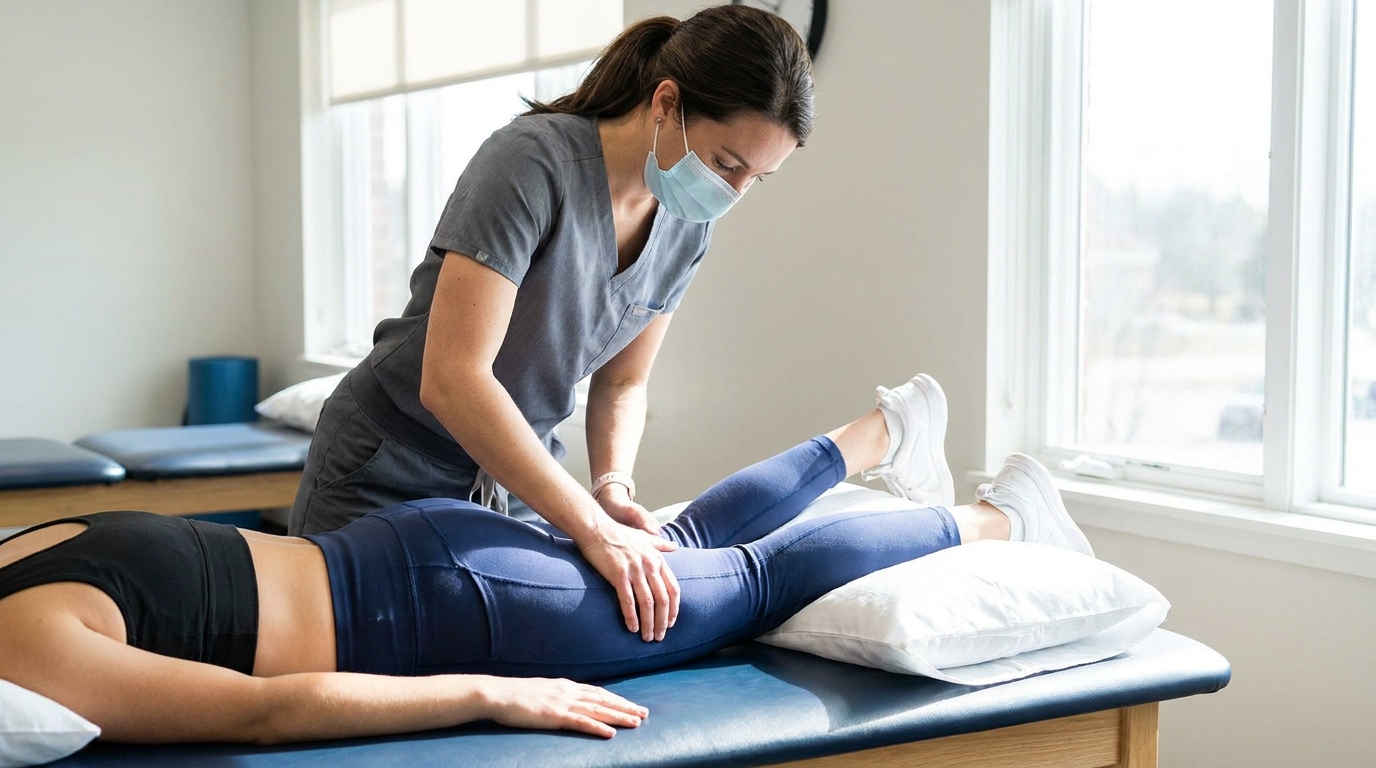
During ART, the practitioner shortens the affected muscle or soft tissue, then applies firm, localized tension with their hands. You then actively move the body part through a specific motion while the tension is maintained. This dynamic engagement helps the practitioner locate the exact spot of restriction and treat it precisely.
Breaking Down Adhesions to Restore Function
The mechanical stress from the combination of pressure and movement helps break up adhesions and improve blood flow to the area. As the tissue glides more freely, you may notice immediate improvements in flexibility, reduced stiffness, and less pain. The goal is not just symptom relief but restoring the ability of muscles and nerves to move normally.
The Importance of Patient Participation
Unlike treatments where you are a passive recipient, ART requires your active involvement. Your movements provide feedback that helps the practitioner adjust pressure and angle. This collaboration also helps your nervous system relearn healthy movement patterns, which supports lasting change rather than temporary relief.
Does ART Hurt? Understanding Pain and Discomfort
What Sensations to Expect During Treatment
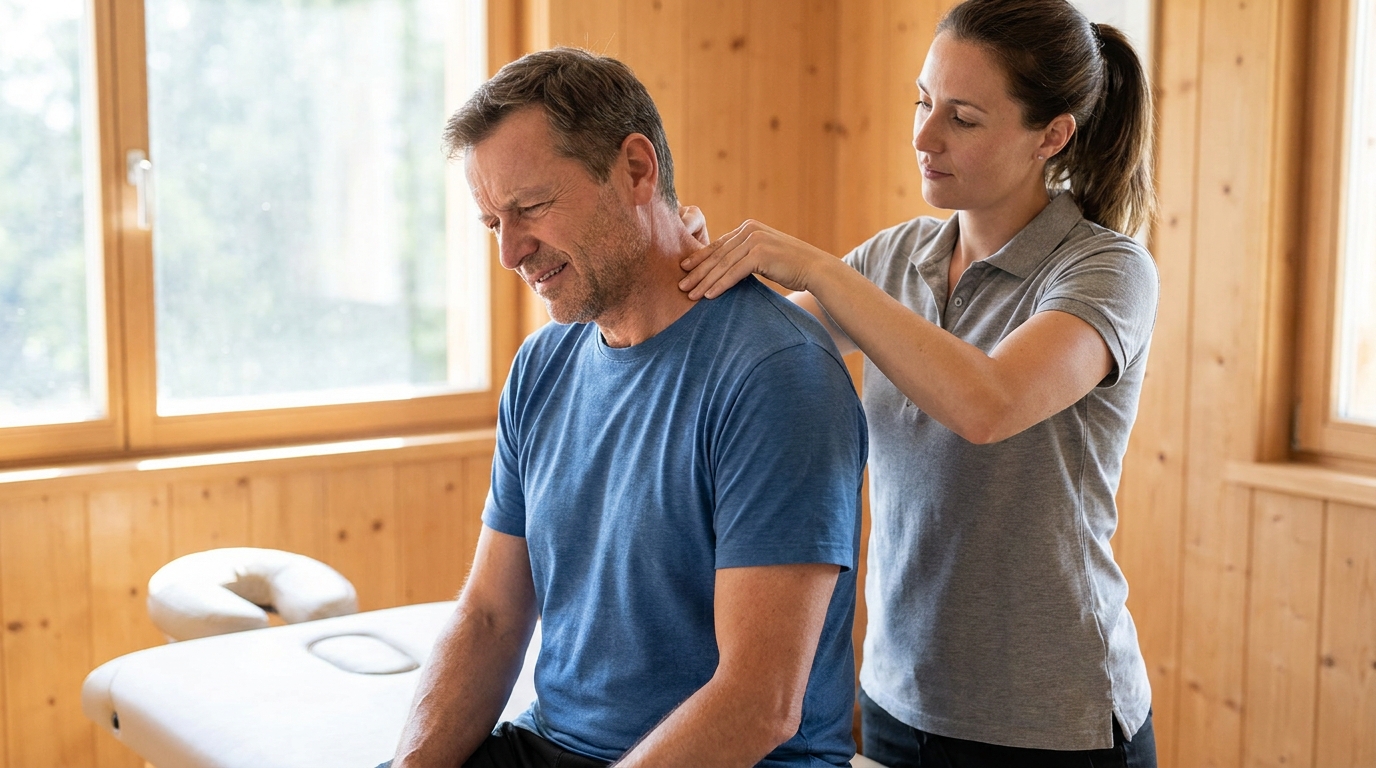
Most people describe the sensation as a deep pressure, a strong stretch, or a burning or pulling feeling that peaks for a few seconds and then eases. Some areas may feel tender, especially if adhesions are dense. It is rarely a sharp or stabbing pain; if it is, that’s a signal to adjust.
Why Mild Discomfort Is Normal
Adhesions are tough and inflexible; breaking them down requires focused mechanical stress. The brief discomfort you feel is often the tissue being stretched and released, and it typically subsides as the practitioner moves through the area. Many patients find the sensation intense but manageable, and they notice reduced stiffness almost immediately afterward.
When to Speak Up: Managing Pain Levels
Communication is essential. A good guide is to aim for a discomfort level of about 3 to 5 on a 10-point scale, where 0 is no pain and 10 is the worst imaginable. If anything feels sharp, electric, or causes you to hold your breath, tell your practitioner right away. They can reduce pressure, change the angle, or move more slowly to keep the treatment effective without overwhelming you.
What to Expect During Your ART Session
Initial Assessment and Movement Evaluation
Your first appointment begins with a conversation about your symptoms, activity history, and any previous injuries. The practitioner will watch you move and use their hands to feel for tight bands, texture changes, or areas that reproduce your pain. This assessment guides which ART protocols to use.
Step-by-Step Treatment Process
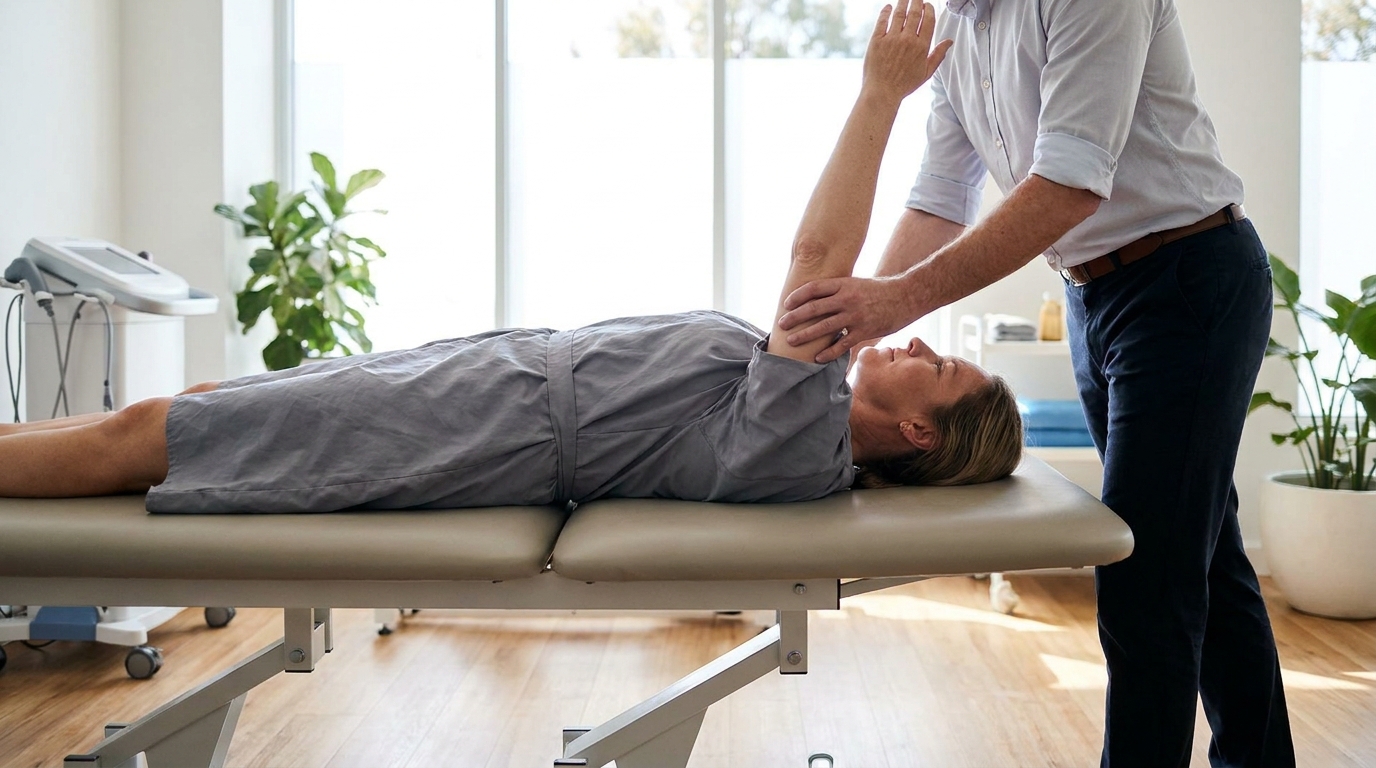
Once a restricted area is identified, the practitioner will position you and apply tension with their fingers, thumb, or a tool. You then move the limb or body part through a specific movement pattern, often while the practitioner guides you. Each treatment pass lasts a few seconds to a minute, and the practitioner may repeat it several times on different parts of the tissue.
Communicating with Your Practitioner During Treatment
Throughout the session, the practitioner will ask you to describe what you feel. Be honest: say if the pressure is too intense, if you feel referred symptoms, or if a movement feels stuck. This feedback helps the practitioner target the problem accurately and ensures the treatment stays within your tolerance.
After Your ART Session: What’s Normal?
Immediate Post-Treatment Sensations
Right after ART, you may feel warm, slightly sore, or tired in the treated area, similar to after a deep workout. Some people also notice a temporary increase in mobility or a sense of lightness. It’s also common to feel a mild headache or fatigue if you received treatment around the neck or shoulders.
Expected Recovery and Relief Timeline
Many people report feeling some relief after the first session, especially if nerve compression was involved. However, the full benefits usually build over several sessions as adhesions are gradually released and the tissue remodels. Soreness after treatment typically resolves within 24 to 48 hours.
When to Contact Your Practitioner
Contact your practitioner if you experience sharp or increasing pain, significant swelling, bruising, or any new neurological symptoms like numbness or weakness that did not exist before. Mild soreness is normal, but anything that feels wrong or gets worse is worth a quick check-in.
How Many ART Sessions Will You Need?
Typical Number of Sessions for Common Conditions
For a recent injury or a single area of restriction, many patients see meaningful improvement within 4 to 6 sessions. Chronic conditions or multiple problem areas may take longer. Your practitioner will reassess after each visit and adjust the plan based on how your tissues respond.
Factors That Influence Treatment Duration
The number of sessions depends on the severity and duration of the problem, your overall health, how long the adhesions have been present, and how consistently you follow any home exercises. People who stay active and avoid aggravating movements often recover faster.
Long-Term Maintenance and Prevention
Once your symptoms improve, occasional maintenance sessions can help prevent adhesions from building up again, especially if you return to repetitive activities or high training loads. Your practitioner may also recommend stretching, strengthening, or ergonomic changes to keep tissues moving well.

Is Active Release Technique Right for You?
Weighing the Benefits Against Temporary Discomfort
If you have stubborn tightness, limited mobility, or pain that hasn’t responded to rest or traditional massage, the brief discomfort of ART may be well worth it. The technique is particularly useful for nerve entrapments, chronic scar tissue, and repetitive strain injuries where passive treatments fall short.
Finding a Qualified ART Practitioner
Look for a practitioner who is certified in Active Release Techniques and has experience treating your specific condition. Ask about their training, how they adapt pressure to your tolerance, and what a typical treatment plan looks like. A good practitioner will explain each step and encourage you to give feedback throughout. We take a coordinated approach, so your ART practitioner can communicate with other members of your rehab team if needed.
Questions to Ask Before Starting Treatment
Before your first session, ask: What is your experience with ART? How will you know if I’m at the right level of pressure? What should I expect after treatment? How many sessions do you anticipate I’ll need? Getting clear answers helps you feel confident and sets the stage for a successful outcome.
If you’re ready to experience how Active Release Technique can help you move and feel better, contact our team to book an assessment. We’ll help you understand what to expect and create a plan that fits your needs.