
Chronic leg and lower back pain in runners is rarely a single muscle strain. It often stems from adhesions—bands of scar-like tissue that form between muscles, tendons, and nerves after thousands of repetitive stride cycles. Active Release Technique (ART) targets these adhesions directly by combining precise manual tension with active movement, restoring tissue glide and reducing the mechanical stress that keeps pain coming back.
If you have tried rest, stretching, or generic massage without lasting relief, the difference with ART is active participation. The practitioner locates the restriction, shortens the tissue, applies tension, then guides you through a lengthening motion. This dynamic sequence breaks down adhesions more effectively than passive pressure alone, making it well suited for stubborn overuse injuries in the legs and lower back.
What is Active Release Technique (ART)?
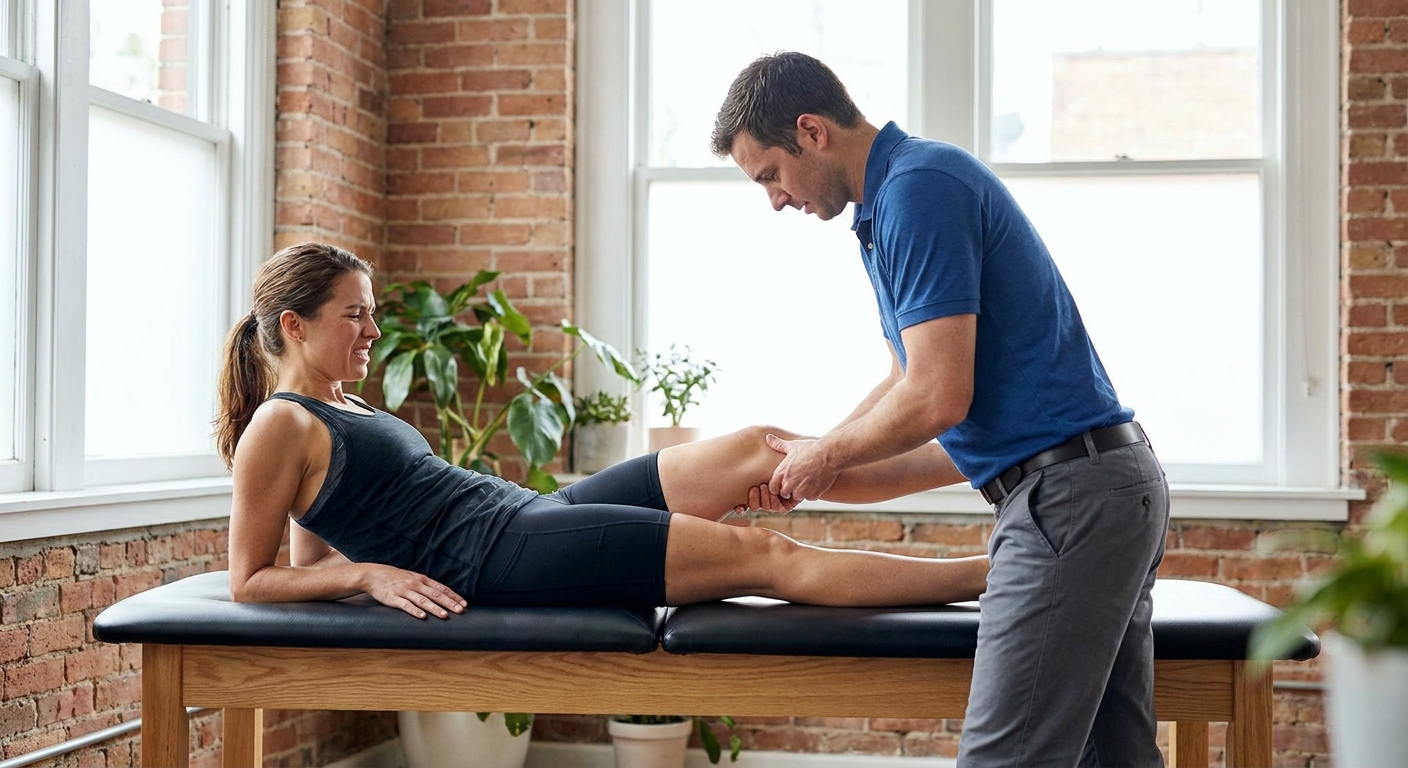
ART is a patented, movement-based manual therapy developed by Dr. P. Michael Leahy, a chiropractor, to treat soft tissue dysfunction caused by repetitive strain. It addresses muscles, tendons, ligaments, fascia, and nerves. Unlike passive massage, ART requires the patient to actively move the affected area from a shortened to a lengthened position while the practitioner maintains a specific tension. This active movement under tension is what allows the clinician to feel and break down adhesions that restrict mobility and cause pain.
How ART Targets Soft Tissue Dysfunction in Runners
Understanding Adhesions and Scar Tissue
Adhesions are fibrous bands that form between adjacent tissues after microtrauma or prolonged tension. In runners, repeated impact and muscle contraction create microscopic tears; when healing is incomplete, the body deposits collagen in a disorganized pattern. This reduces tissue elasticity, impairs blood flow, and can compress nerves, leading to pain, stiffness, and reduced range of motion. ART applies compressive, tensile, and shear forces to these restricted areas while the tissue is moved, mechanically breaking down the cross-links and allowing the layers to slide normally again.
The Role of Repetitive Motion in Soft Tissue Dysfunction
Every stride places two to three times body weight through the legs and spine, and the hips, knees, and ankles flex and extend thousands of times on a long run. Over weeks and months, this repetitive loading creates friction and microtrauma, particularly in the calves, hamstrings, hip flexors, gluteals, and spinal stabilizers. Without intervention, the cumulative injury cycle sets in: microtrauma leads to adhesion formation, which then increases friction and further injury. ART interrupts this cycle by addressing the adhesions themselves, not just the pain signals.
Common Chronic Leg and Lower Back Conditions ART Treats in Runners
IT Band Syndrome
The iliotibial band runs along the outside of the thigh, and adhesions in the tensor fasciae latae or gluteus maximus can create excessive tension and friction at the knee. ART releases the restricted tissue along the IT band and its attachments, reducing lateral knee pain during running.
Shin Splints
Shin splints involve pain along the tibia, often from tightness and adhesions in the tibialis anterior, tibialis posterior, or soleus. ART breaks down these restrictions, improving ankle mobility and reducing the traction forces on the bone that perpetuate the pain.
Plantar Fasciitis
Chronic heel pain often involves tightness in the calf and plantar fascia. ART mobilizes the soft tissues of the foot and lower leg, restoring elasticity and reducing strain on the plantar fascia insertion.
Chronic Lower Back Pain
Runners with recurring low back pain frequently have adhesions in the lumbar erectors, quadratus lumborum, gluteals, and deep hip rotators. These restrictions alter pelvic and spinal mechanics with every stride. ART releases these areas, allowing the spine and pelvis to move more freely and reducing the compressive and shear forces that cause pain.
The Science Behind ART’s Effectiveness for Pain Relief
Research on ART for Soft Tissue Injuries
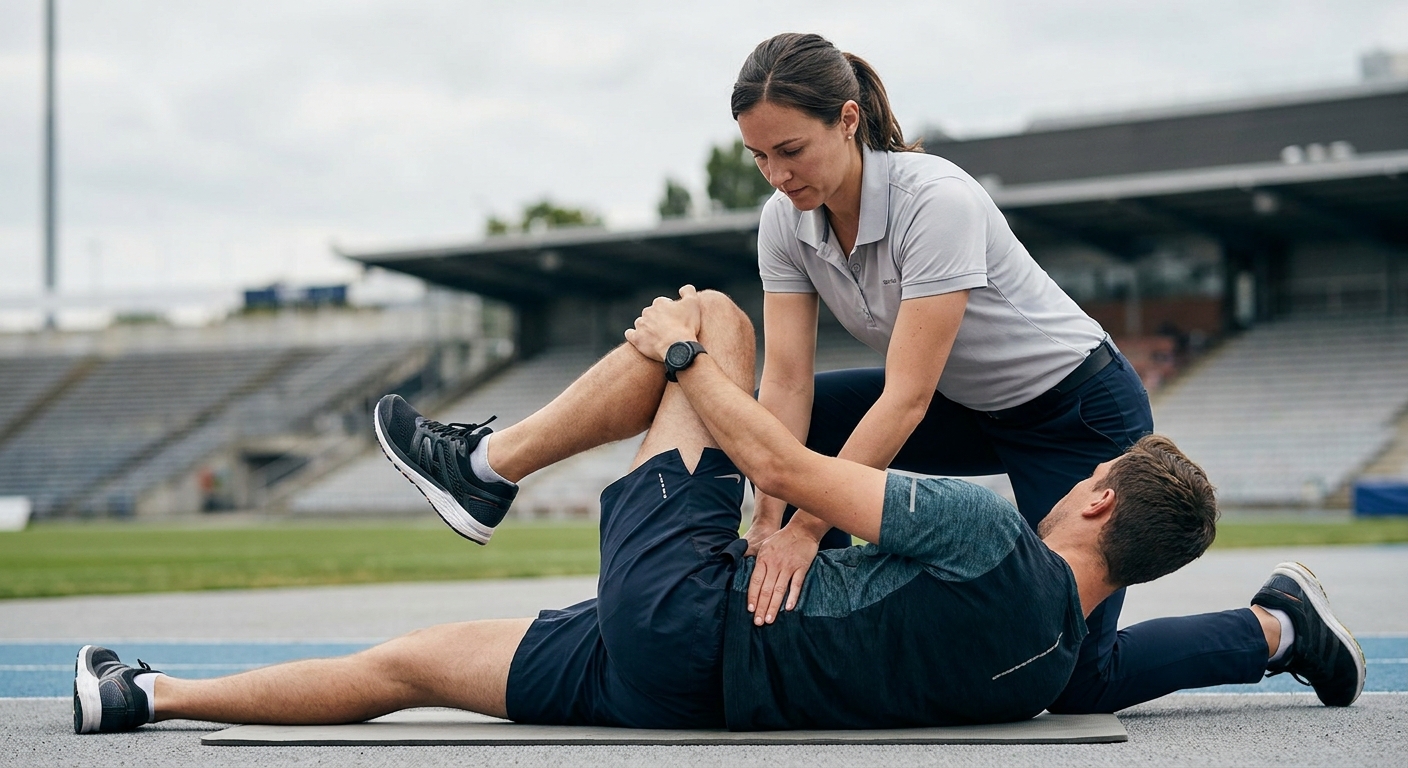
Pilot studies have reported short-term improvements after ART for several soft tissue conditions. In athletes with adductor strains, ART increased pain pressure threshold immediately after treatment. In healthy adults, ART improved hamstring flexibility. A small study on carpal tunnel syndrome showed reduced symptom severity and improved function after two weeks of ART. While larger controlled trials are needed, these findings support ART as a viable option for chronic soft tissue restrictions in runners.
How ART Reduces Inflammation and Promotes Healing
Adhesions restrict blood flow and trap metabolic byproducts, which contributes to local tenderness and delayed recovery. By mechanically breaking down the adhesive cross-links, ART improves circulation to the area, delivering oxygen and nutrients while flushing out inflammatory mediators. The active movement during treatment also provides mechanoreceptor input that can modulate pain and restore normal neuromuscular control. This combination of mechanical and neurological effects helps explain why many runners feel immediate relief and progressive improvement over several sessions.
Key Benefits of ART for Runners
Improved Flexibility and Range of Motion
Removing adhesions restores normal tissue length and glide, allowing joints to move through a fuller range without compensatory strain. Runners often notice easier stride extension, deeper hip flexion, and less stiffness during warm-up.
Reduced Pain and Faster Recovery
Because ART addresses the mechanical source of pain rather than only the symptom, relief tends to be longer lasting. Many runners report that the same pain that lingered for months begins to decrease after a few targeted ART sessions, and post-run soreness resolves more quickly.
Enhanced Running Performance
When soft tissues move freely and joints are not fighting restrictions, the body runs more efficiently. Reduced pain and improved mobility translate to better running economy, fewer compensations, and a lower risk of re-injury. ART is often used proactively by runners before races or after high-mileage blocks to maintain tissue health.
What to Expect During an ART Session: Sensations and Process
Initial Assessment
A qualified ART provider begins by asking about your training history, pain patterns, and previous injuries. They will perform movement screens and palpation to locate the specific adhesions contributing to your pain. This assessment is not just about where it hurts—it identifies the restricted tissues that are driving the dysfunction elsewhere.
The Treatment Sensation
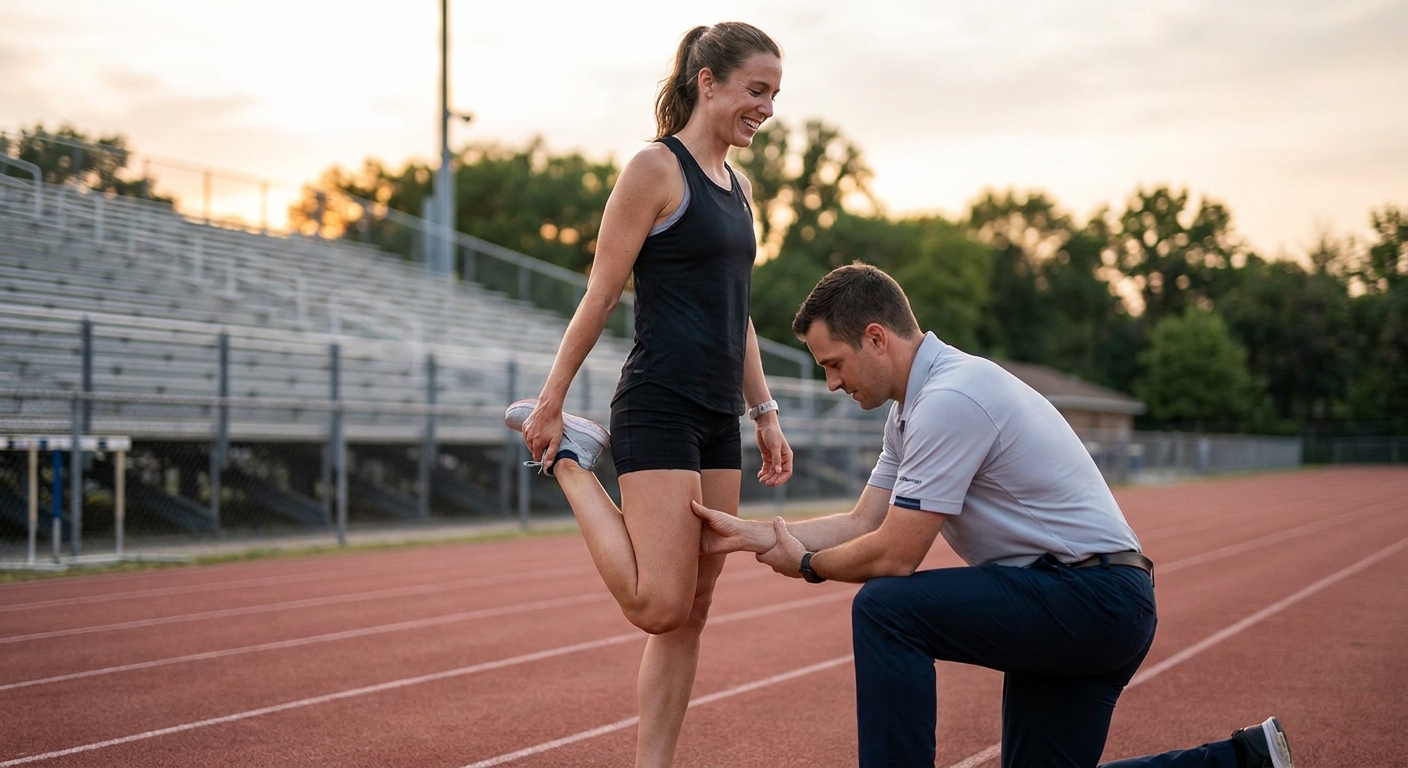
ART is often described as a ‘hurts so good’ sensation. You will feel firm pressure on a specific spot while you actively move the limb or spine through a controlled range. The pressure is deep but should never be unbearable. As the adhesion releases, the tight sensation often eases, and you may feel an immediate improvement in mobility. In our sessions, you receive one-on-one attention from the clinician, which allows us to adjust pressure and movement cues based on your real-time feedback.
Duration and Frequency of Sessions
An ART session typically lasts 15 to 30 minutes when focused on one or two areas, though it may be part of a longer integrated treatment. Many runners notice improvement within three to six sessions for chronic conditions, but this varies based on severity, tissue quality, and training load. Your provider will recommend a frequency that fits your running schedule, often weekly or biweekly initially, with maintenance sessions as needed.
ART vs. Other Soft Tissue Therapies: What Makes It Unique?
ART vs. Deep Tissue Massage
Deep tissue massage uses sustained pressure and broad strokes to relax muscles, but it is largely passive. ART adds active patient movement and targets specific adhesions with a precise contact, which can be more effective for breaking down chronic restrictions that don’t respond to general massage.
ART vs. Myofascial Release
Myofascial release applies gentle, sustained pressure to fascial restrictions, often without active movement. ART uses firmer tension combined with active tissue lengthening, which can more directly separate cross-linked adhesions and restore tissue glide under functional conditions.
The Precision of ART
ART practitioners are trained to follow over 300 specific protocols, each mapped to a particular tissue and movement pattern. This precision means treatment is not random; the clinician knows exactly which structure to target and how to position you to place that structure under tension. For runners, this translates into efficient sessions that focus on the root cause, not just the area of pain.
Integrating ART with a Runner’s Training and Recovery Plan
When to Schedule ART Sessions
ART works best when timed around your training, not against it. Many runners schedule ART on a recovery day or easy run day, avoiding hard workouts immediately after treatment. For chronic pain, a series of sessions may be front-loaded over a few weeks, then spaced out as symptoms resolve. Your provider will coordinate timing with your race calendar and mileage changes.
Combining ART with Strength and Mobility Work
ART is not a standalone fix. It removes restrictions, but strength and mobility work retrain the tissues to handle load. A comprehensive plan often includes glute strengthening, core stability, calf raises, and hip mobility drills alongside ART. This combination addresses the underlying biomechanical deficits that contributed to the adhesions in the first place.
Preventing Recurrence Through Professional Guidance
After ART eliminates the adhesions, preventing recurrence means managing training load, improving running form, and addressing weaknesses. Your ART provider should work with you to review your training log, identify risky patterns, and adjust your plan. Many runners benefit from periodic ART sessions during high-mileage blocks or after races to stay ahead of soft tissue restrictions.
Finding a Qualified ART Provider
Certification and Credentials to Look For
ART is a licensed technique, and providers must complete formal certification through Active Release Techniques. Look for a practitioner who is a certified ART provider, typically a chiropractor, physiotherapist, or registered massage therapist with additional ART training. Certification requires ongoing continuing education to maintain, so ask to confirm current status.
Questions to Ask a Potential Provider
Ask how often they treat runners, what their approach includes beyond ART, and whether they will provide a home exercise plan. A good provider should explain the assessment findings in plain language, set realistic expectations for number of sessions, and be willing to coordinate with your coach or other healthcare providers.
What to Bring to Your First Appointment
Bring your running shoes, a training log or recent mileage details, and any imaging reports if available. Wear comfortable clothing that allows access to the painful area. Be prepared to describe exactly when the pain started, what movements aggravate it, and what you have already tried. This information helps the provider pinpoint the adhesions and tailor the ART session to your specific mechanics.
If chronic leg or lower back pain is keeping you from your running goals, consider an ART assessment to identify and release the soft tissue restrictions behind your pain.