

Pilates has a reputation for being low-impact and safe, but repetitive movement with poor form can still lead to injury. In our clinical practice, we see a consistent set of issues: shoulder strain from bearing weight through the wrong muscles, hip flexor and lower back irritation from forcing core work, and wrist or elbow soreness when hand position on the reformer is off. Recognizing these patterns is the first step to avoiding them.
The most common Pilates injuries and how clinical Pilates can help you avoid them come down to two things: understanding why injuries happen and building a practice that corrects those underlying movement faults. Below, we break down the injuries we see most often and the specific clinical Pilates strategies that reduce risk.
The Most Common Pilates Injuries and Their Causes
Injuries in Pilates rarely come from a single dramatic event. They develop slowly, often from repeating the same movement with subtle misalignment, insufficient stability, or fatigue. The following patterns account for most of what we address in clinical sessions.

Overuse and Repetitive Stress Injuries
Even low-impact exercise creates load on muscles and joints. When the same movement is repeated without adequate recovery or with compromised form, tissues break down faster than they repair. In Pilates, this often shows up as nagging shoulder pain, tight hip flexors, or a dull ache in the lower back. The key is not to push through discomfort but to adjust the movement so the right muscles are doing the work.
Shoulder Strain and Rotator Cuff Issues
Weight-bearing exercises such as planks, pikes, and push-ups on the reformer can overload the shoulder if the scapular stabilizers are not engaged. When the shoulder blades drift upward or the arms rotate inward, the rotator cuff muscles and biceps tendon take on stress they are not designed to handle. Clinical Pilates places a strong emphasis on scapular placement and humeral alignment before adding load, which reduces that strain.
Hip Flexor and Lower Back Irritation
A common mistake in core work is using the hip flexors and lower back to compensate for weak deep abdominals. Exercises like the hundred or leg lowers can turn into a hip flexor endurance test, causing tightness in the front of the hips and compression in the lumbar spine. We teach clients to find a neutral pelvis and engage the transverse abdominis first, so the legs can move without pulling on the spine.
Wrist and Elbow Injuries from Improper Weight Distribution
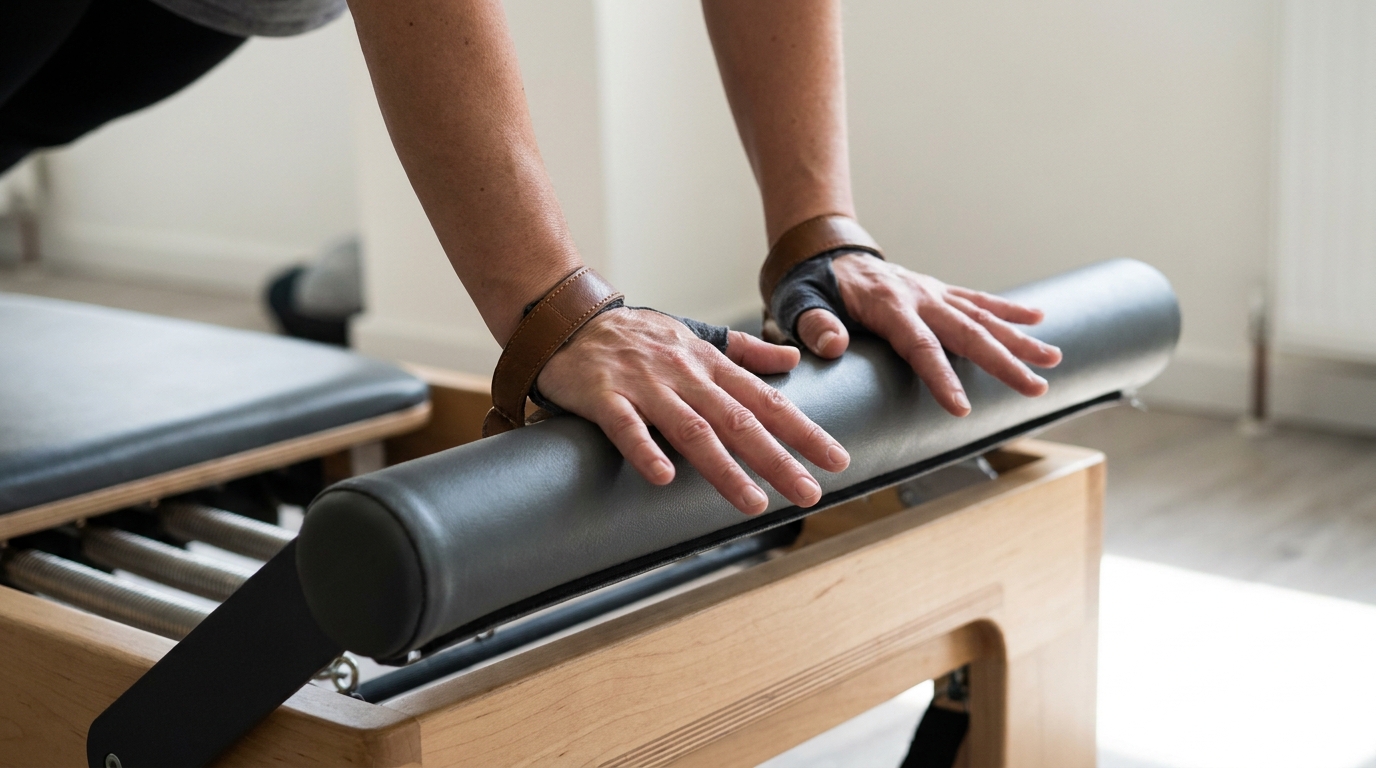
On the mat and especially on the reformer, it is easy to sink into the heels of the hands, hyperextend the wrists, or lock the elbows. That positions the forearm and wrist joints under uneven pressure, leading to strain in the wrist extensors or the inner elbow. We cue a softer hand position, distribute weight across the full palm and fingers, and often use props or handle adjustments to keep the forearms stacked.
Equipment-Related Accidents and Injuries in Reformer Pilates
The reformer is a powerful tool, but it demands respect. Most equipment-related injuries happen during transitions: getting on or off the machine, changing spring tension, or shifting between exercises. A foot slipping off the bar or a carriage moving faster than expected can cause a sudden jarring pull or fall. Clinical Pilates sessions are structured around safe setup, clear verbal cues, and controlled transitions, so the equipment supports rather than surprises you.
Muscle Strains and Tears
Muscle strains, while generally less severe than joint injuries, are still common. They tend to occur when a client progresses too quickly, loses concentration near the end of a session, or forces a range of motion the body is not ready for. Hamstrings, hip adductors, and oblique abdominals are typical sites. Gradual progression and honest feedback about fatigue are essential to avoiding these tears.
How Clinical Pilates Can Help You Avoid These Injuries
Clinical Pilates changes the risk equation by making every movement deliberate, supported, and tailored. Instead of a generic class sequence, clinical Pilates uses assessment, precise cueing, and progressive loading to address your specific weaknesses. Here is how that translates into injury prevention.
Enhanced Core Strength and Stability
A strong core is the foundation of safe movement. Clinical Pilates targets the deep stabilisers—the transverse abdominis, pelvic floor, and multifidus—that brace the spine and pelvis. With that stability, your shoulders, hips, and knees do not have to compensate, which lowers strain across every joint.
At Fulcrum Therapy, we have guided thousands of patients through safe clinical Pilates sessions tailored to their rehabilitation goals. That experience shapes our focus on precise cueing and gradual progression in every exercise.
Improved Movement Patterns and Body Awareness
Many injuries come from repeating a movement with poor biomechanics until tissue breaks down. Clinical Pilates builds body awareness by encouraging slow, controlled movement and mindful attention to alignment. You learn what a movement should feel like when the right muscles are working, so you can self-correct before discomfort becomes injury.
Increased Flexibility and Joint Mobility
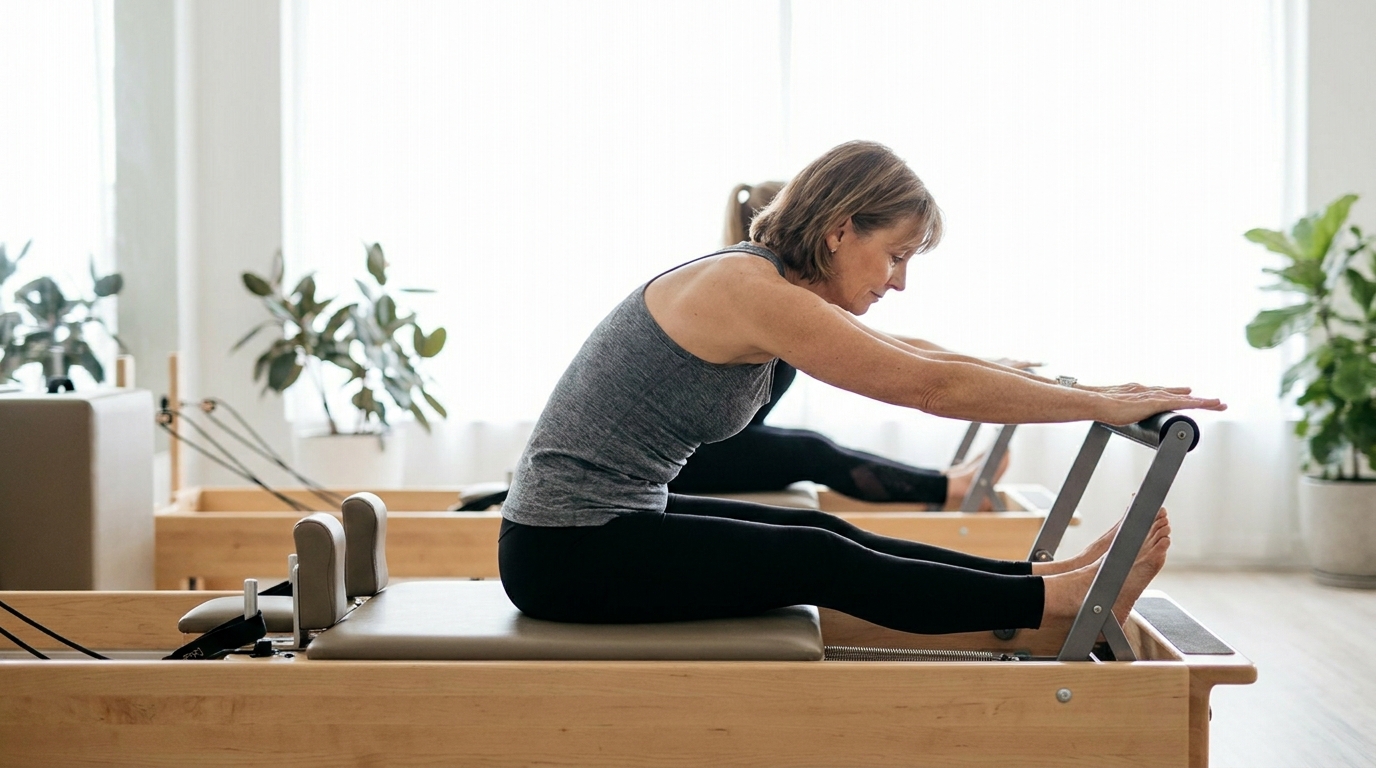
Tight muscles pull joints out of alignment and limit range of motion, increasing the risk of strain. Clinical Pilates combines strengthening with lengthening, so you gain mobility without sacrificing stability. That balanced approach keeps your hips, spine, and shoulders moving through their full, safe range.
Targeted Injury Rehabilitation and Prevention
Because clinical Pilates is individualized, it can isolate and strengthen the exact areas that need attention. If a client has a history of rotator cuff irritation, we select exercises that build scapular control without aggravating the shoulder. If lower back pain is the issue, we focus on core engagement and hip mobility. This targeted approach both rehabilitates existing injuries and prevents recurrences.
Reduced Risk of Overtraining and Burnout
Clinical Pilates emphasizes quality over quantity. Short, focused sessions with controlled reps build strength without the cumulative fatigue that leads to form breakdown. That makes it an excellent complement to high-intensity training, allowing active recovery while still developing control and endurance.
The Importance of Proper Instruction and Form
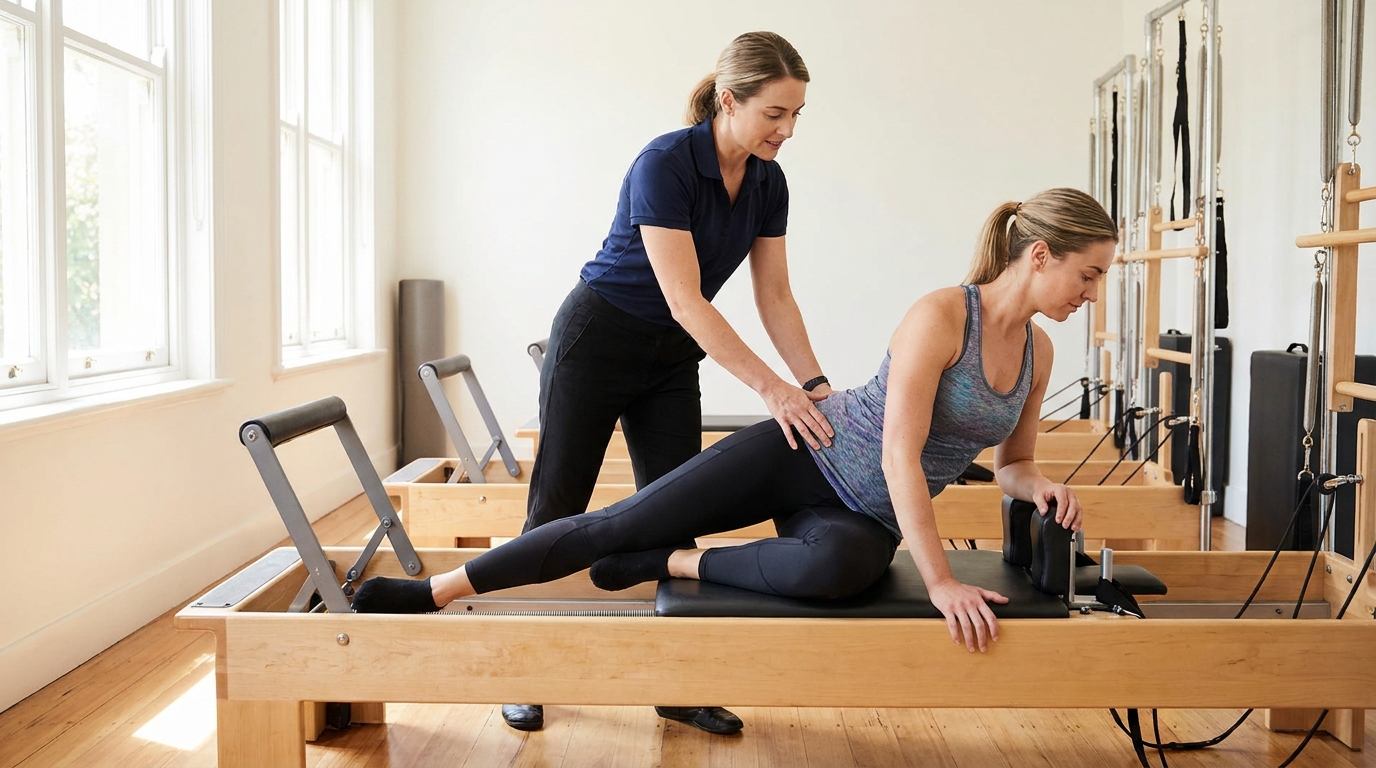
The single most protective factor in Pilates is having a qualified instructor who can see and correct your form in real time. In a clinical setting, that means one-on-one attention, continuous feedback, and modifications for your body’s needs. We never assume a standard exercise is right for everyone; we adjust the springs, range, and position until it challenges you safely.
Clinical Pilates as a Complement to Physiotherapy
Clinical Pilates works alongside physiotherapy to reinforce the same movement patterns and muscle activation. When your physiotherapist prescribes exercises, clinical Pilates can help you practice them in a controlled, supportive environment, speeding up recovery and ensuring the gains stick. This coordination keeps everyone on the same page and your rehab plan coherent.
Conclusion: Embrace Safe Pilates with Clinical Pilates
Most Pilates injuries are not inevitable; they are the result of poor form, overuse, or a mismatch between the exercise and the body’s readiness. By understanding the most common Pilates injuries and how clinical pilates can help you avoid them, you can build a practice that strengthens rather than strains. If you are ready to move with more confidence and less risk, book a clinical Pilates assessment with our team today.