

Spinal manipulation isn’t about putting bones back in place: what actually happens during an adjustment is a coordinated neurophysiological event—not a mechanical realignment. Many people come to us believing a vertebra has slipped out of position and needs to be pushed back. That image is compelling, but it doesn’t match what we see in anatomy, biomechanics, or pain science.
In this article, we’ll walk through the origins of the ‘bone out of place’ myth, explain the real reason joints pop, and show how a short-lived change in pain signalling can be useful when paired with exercise and education. By the end, you’ll understand why adjustments can offer relief—and why they work best as one tool among many, not a standalone fix.
Debunking the Bone Misalignment Myth: Spinal Manipulation Isn’t About Putting Bones Back in Place
The Origins of the ‘Bone Out of Place’ Belief
The idea that spinal bones can shift out of alignment goes back to early subluxation theory, which proposed that misaligned vertebrae interfere with nerve flow and cause disease. This model was developed before modern imaging allowed us to see how spinal joints actually behave. Today, we know that true dislocations—where a joint completely separates—are rare and usually the result of major trauma. What patients describe as feeling ‘out’ is more often muscle spasm, joint stiffness, or altered movement patterns, not a bone that has physically moved out of its socket.
What Anatomical and Biomechanical Research Says
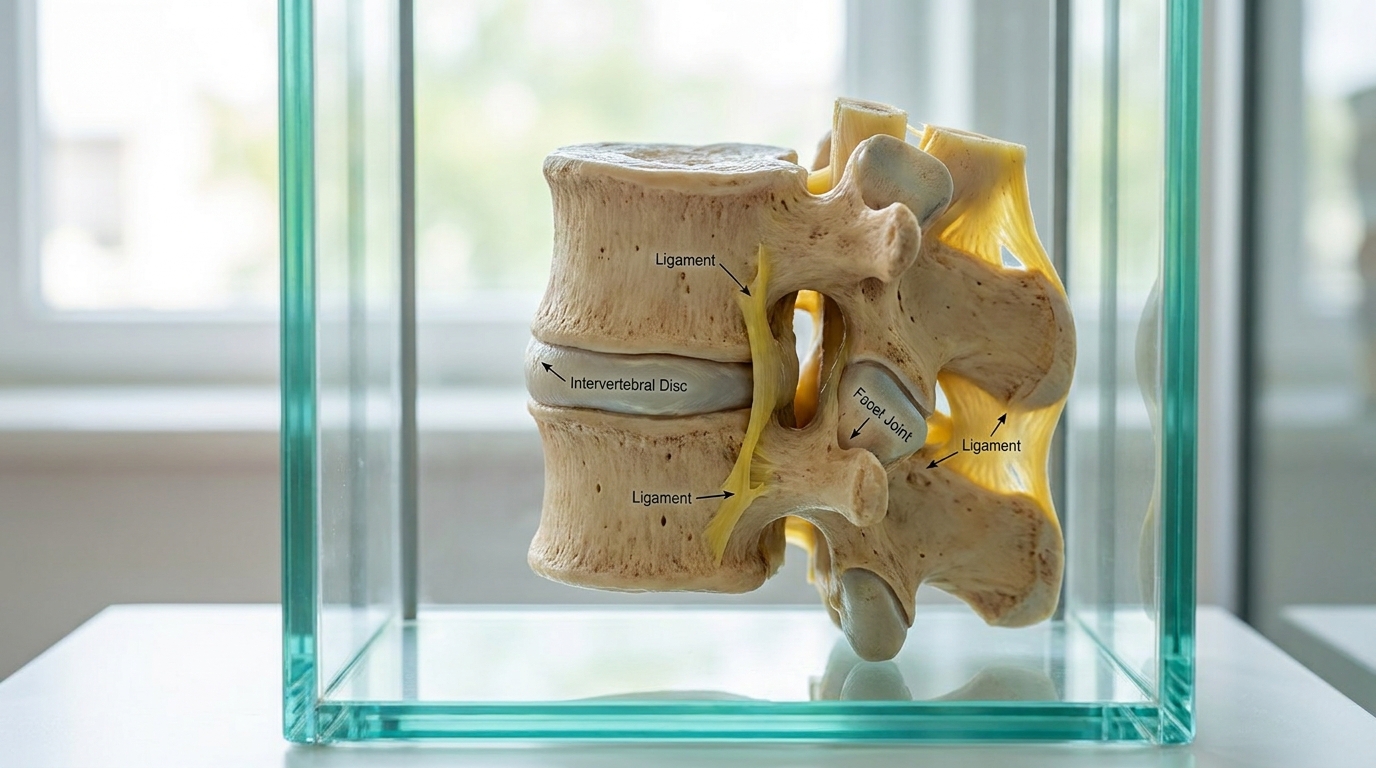
Spinal joints are stabilised by a complex system of ligaments, discs, and deep muscles. Even under strong forces, these structures keep the joint surfaces in contact. Research on joint mobilisation and manipulation consistently fails to show that a thrust changes the resting position of vertebrae. Instead, the mechanical force briefly stretches the joint capsule and surrounding tissues, which triggers a cascade of nervous system responses. That is the real mechanism—not the bone being knocked back into place.
Why Spinal Joints Don’t Slip Out of Alignment
Unlike a shoulder or kneecap, which can partially dislocate (subluxate) and then return, spinal facet joints are deeply seated and tightly reinforced. The joint capsule is thick, and the surrounding muscles provide active stability. While you can experience a sensation of the back ‘locking’ or ‘catching,’ that usually reflects protective muscle guarding or a small fold of tissue getting trapped, not a bone out of place. Even when a joint is stiff or painful, imaging typically shows the bones are exactly where they should be.
The Science of the Popping Sound: Cavitation Explained
What Causes the Audible ‘Pop’
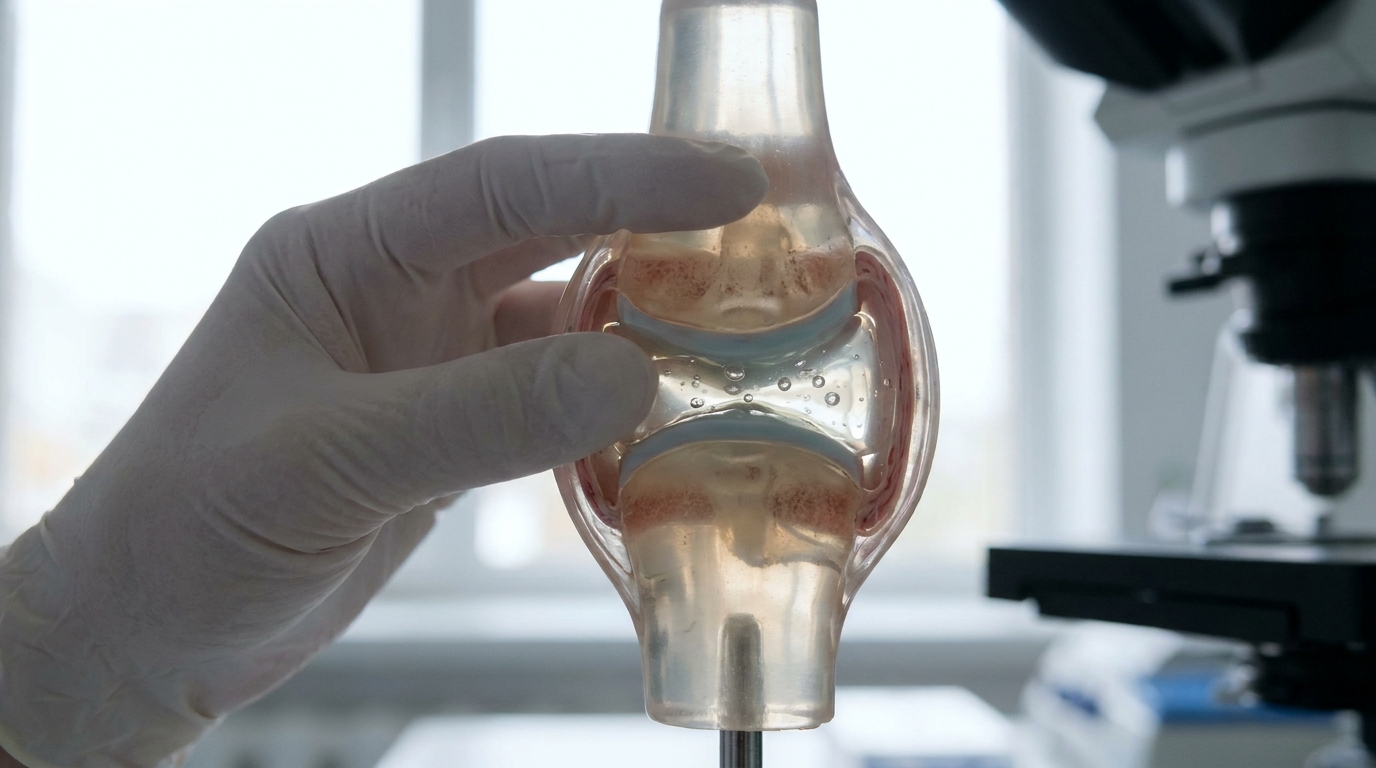
The pop you hear during a spinal manipulation is called cavitation. When a clinician applies a quick, controlled force to a joint, the joint surfaces separate slightly, reducing pressure inside the synovial fluid. This sudden pressure drop allows dissolved gases—mostly carbon dioxide—to come out of solution and form a bubble. The audible sound is the bubble forming or collapsing, not bones cracking or grinding.
The Role of Gas Bubbles in Synovial Fluid
Synovial fluid lubricates the joint and contains dissolved gases. When the joint is stretched quickly, the volume increases, pressure drops, and a cavity forms. This is the same process that makes your knuckles pop. After the bubble forms, it takes time for the gases to re-dissolve, which is why you can’t usually pop the same joint again immediately. However, the presence or absence of a cavitation does not determine whether the treatment helps.
Is the Cavitation Sound Necessary for Effectiveness?
No. While the sound is satisfying and often reassuring, studies comparing manipulative techniques with and without cavitation find similar short-term pain relief and range-of-motion changes. Some patients prefer a technique that pops, while others find it startling. At our clinic, we always explain what to expect before an adjustment and adjust our technique to your comfort. The goal is a neurophysiological response, not a noise.
Neurophysiological Effects: What Actually Happens During an Adjustment
Stimulating Mechanoreceptors and Nociceptors
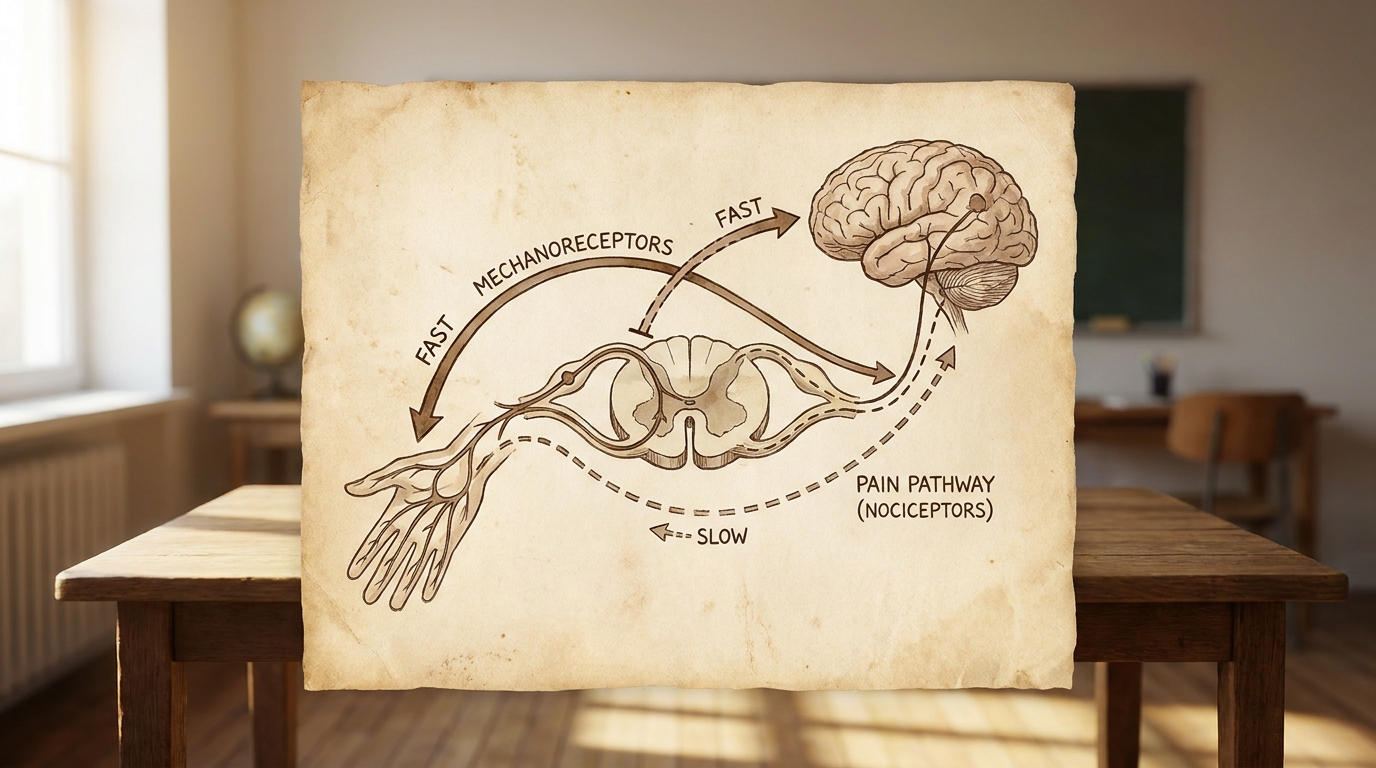
Spinal manipulation applies a quick stretch to the joint capsule and surrounding muscles. This stretch activates mechanoreceptors—sensory nerves that respond to movement and pressure. At the same time, nociceptors, which signal potential tissue damage, are briefly stimulated. The burst of mechanoreceptor input travels to the spinal cord and brain faster than pain signals, which can temporarily reduce the perception of pain.
The Pain Gate Theory and Central Nervous System Modulation
According to the pain gate theory, non-painful input can close the ‘gate’ to painful input in the spinal cord, reducing the pain messages that reach the brain. Spinal manipulation provides a strong non-painful stimulus, which may help close that gate. Additionally, the brain can release endogenous pain-relieving chemicals and alter its processing of incoming signals. This is why many people feel immediate, though temporary, relief after an adjustment.
Reflexive Muscle Relaxation and Increased Range of Motion
The quick stretch also triggers a reflex that reduces muscle tone in the surrounding area. Muscles that were guarding the spine calm down, allowing a small increase in comfortable range of motion. This can make it easier to move, bend, or turn for a short period. That window of improved movement is valuable—it lets you perform exercises and daily activities with less fear and more confidence.
Short-Term Relief: Why Benefits Are Temporary
The Natural History of Acute Back Pain
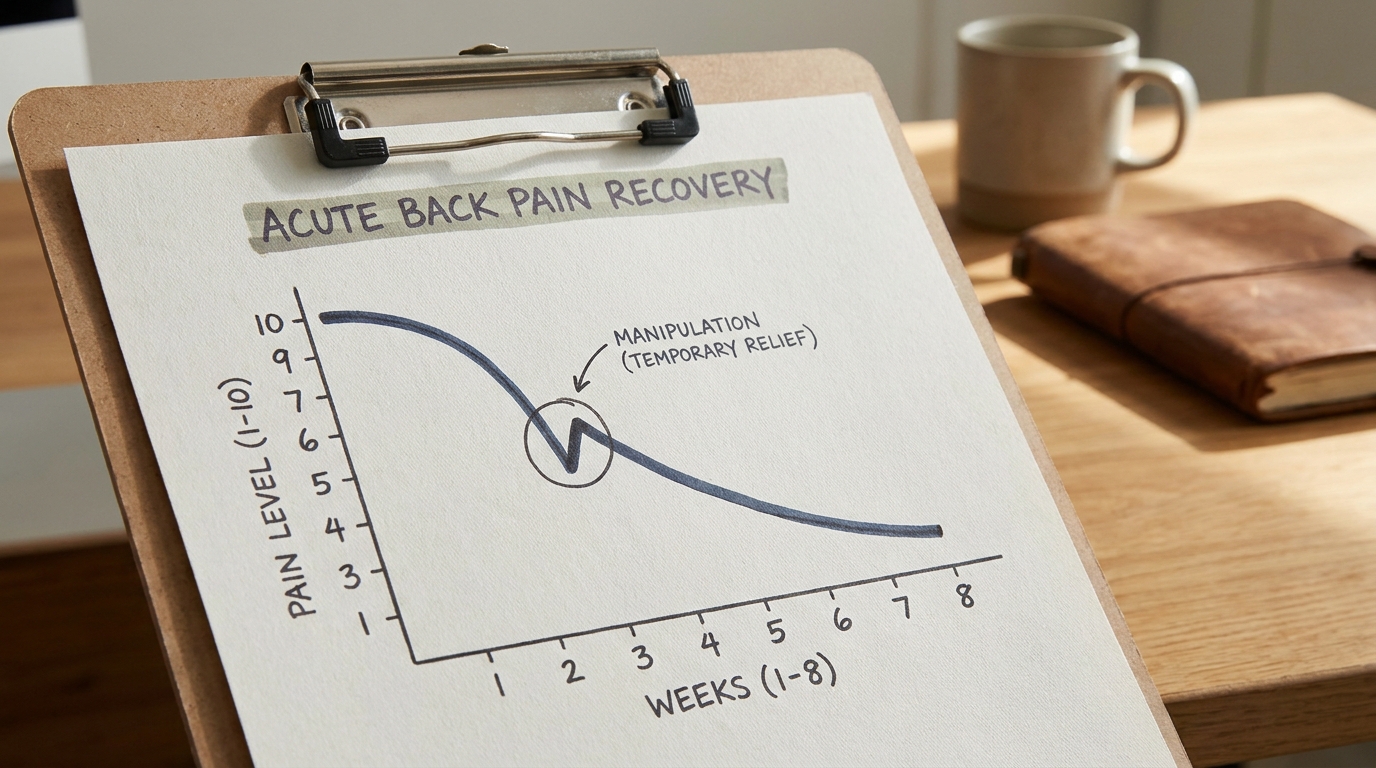
Most episodes of acute low back pain improve significantly within a few weeks, regardless of treatment. This natural recovery can make any intervention look effective. A single adjustment may reduce pain for a few hours to about a day, but it doesn’t change the underlying tissue healing timeline. Understanding this helps you set realistic expectations: manipulation can make you feel better in the moment, but it is not a cure.
Why Adjustments Don’t Address Underlying Causes
Pain often persists because of weakness, poor motor control, prolonged sitting, or fear of movement—not because a bone is misaligned. A manipulation can temporarily reduce pain, but if you return to the same movement habits without building strength or changing how you load your spine, the pain is likely to return. That’s why we don’t rely on adjustments as a stand-alone treatment.
The Role of Placebo and Contextual Factors
All treatments, including spinal manipulation, carry a placebo effect: the ritual, the confident explanation, the caring touch, and the expectation of relief all influence how you feel. This isn’t a reason to dismiss manipulation—contextual effects are real and can be used ethically. But it is a reason to be honest about what the treatment can and cannot do. By combining manipulation with active rehabilitation, we can add value beyond the placebo response.
Integrating Manipulation into a Broader Treatment Plan
Combining Adjustments with Exercise and Physical Therapy
The most effective use of spinal manipulation is as a bridge to movement. If pain is so high that you can’t perform basic exercises, a short period of hands-on treatment may lower pain enough to get you moving. Then, the real work begins: progressive loading, motor control drills, and graded exposure to feared movements.
At our clinic, we design personalised plans that combine hands-on techniques with exercise and education, and we coordinate with your other care providers to keep one unified plan. Every session is one-on-one with your clinician’s full attention, so you always know why a treatment is being used and what to expect.
Research consistently shows that exercise therapy produces longer-lasting improvements in pain and function than passive treatments alone. By using manipulation to create a pain-free window, we help you build strength and confidence without creating dependence on the treatment table.
When Spinal Manipulation May Be Indicated
Spinal manipulation is one option for certain types of mechanical back or neck pain, particularly when stiffness and muscle guarding are prominent. It may not be appropriate for everyone, including people with osteoporosis, inflammatory arthritis, or spinal instability. A thorough assessment always comes first. If manipulation isn’t right for you, we can use gentler mobilisation, soft tissue work, or exercise-based approaches instead.
The Importance of a Biopsychosocial Approach
Modern pain science recognises that back pain is influenced by biological factors (tissue health, inflammation), psychological factors (stress, fear, anxiety), and social factors (work, relationships, activity levels). A good treatment plan addresses all three. Manipulation may help with the biological and psychological aspects—reducing pain and building trust—but it works best when paired with education, reassurance, and a plan to gradually return to normal activity.
Empowering Patients: Moving Beyond Reliance on Adjustments
Self-Management Strategies for Spine Health
Long-term spine health comes from consistent movement, not repeated cracking. We help patients develop a toolbox: daily walks, gentle mobility work, strength training for the core and hips, and strategies to manage flare-ups without panic. You don’t need to avoid all activity; you need to learn what loads your back can tolerate and build from there. Your clinician can guide you through this process so you feel confident managing symptoms at home.
Making Informed Decisions About Your Care
Before consenting to any treatment, ask what the goal is, what you should feel during and after, and how you’ll know if it’s working. We explain the expected benefits and limitations of every technique, and we encourage you to ask questions. If a provider tells you your spine is ‘out of alignment’ and needs regular adjustments forever, that’s a red flag. Evidence-based care is transparent and aims to make you independent, not dependent.

The Value of Long-Term Wellness Over Quick Fixes
A quick crack may feel good, but it won’t build the resilience you need for work, sport, and daily life. True recovery means understanding your pain, restoring movement, and gradually increasing your capacity. That takes time and effort, but the payoff is a back that works with you—not one that needs constant fixing.
If you’re ready to understand what’s driving your pain and build a plan that goes beyond temporary relief, we’re here to help you move with confidence.