


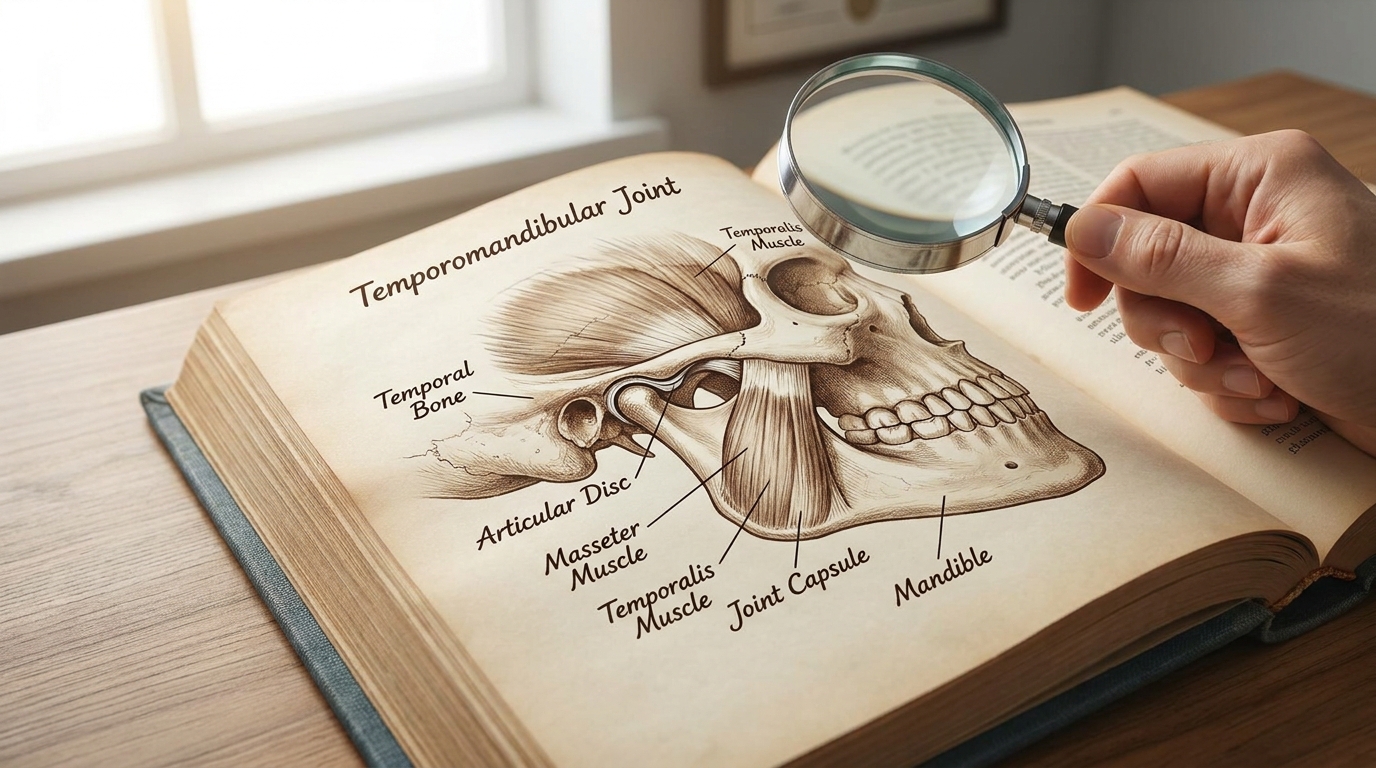
If you’ve ever felt pain, clicking, or stiffness in your jaw, you have likely wondered what causes TMJ disorder. The honest answer is that common triggers and risk factors rarely act in isolation. The temporomandibular joint is one of the most complex joints in the body, and when it becomes overloaded, symptoms can emerge from a combination of physical strain, daily habits, and underlying health conditions.
In our clinical work, we see how past injuries, clenching, sleep position, and even hormonal changes intersect to create jaw pain. Understanding the range of causes helps you and your care team pinpoint what is driving your specific symptoms—and that is the first step toward meaningful relief. Below, we break down the most common triggers and risk factors we evaluate.
Physical and Structural Causes
Jaw Injury or Trauma
Direct impact to the jaw, face, or head can cause acute damage to the joint capsule, ligaments, or the disc inside the joint. Even a blow that does not cause a visible fracture can trigger inflammation and protective muscle guarding, leading to long-term dysfunction. In our experience, patients often recall a specific event—such as a sports collision, a fall, or a motor vehicle accident—that marked the beginning of their symptoms.
- Sports injuries, including contact to the face or jaw
- Car accidents and airbag deployment
- Falls or direct blows to the chin
- Any trauma that forces the jaw sideways or too far open
Dental and Medical Procedures
Prolonged mouth opening during dental work, wisdom tooth extraction, or general anesthesia can overstretch the jaw structures. Intubation for surgery may also strain the joint capsule. We always ask about recent dental or medical procedures when patients report jaw pain that began around the same time.
- Lengthy dental appointments, especially for fillings or crowns
- Wisdom tooth removal or other oral surgery
- Endotracheal intubation for general anesthesia
- Procedures that require the mouth to stay open for extended periods
Malocclusion and Bite Problems
When teeth do not fit together evenly, the jaw muscles work harder to find a stable bite, leading to repetitive strain. Severe bite discrepancies, missing teeth, or ill-fitting dental work can alter how force is distributed across the temporomandibular joint. However, not everyone with a malocclusion develops TMD, so we evaluate bite issues in the full context of your symptoms.
- Deep overbite, crossbite, or open bite
- Missing teeth that shift bite alignment
- Poorly fitted dentures or dental restorations
- Sudden changes in bite after dental work
Disc Derangement
The articular disc inside the joint can slip forward or become displaced, causing clicking, popping, or a sensation of catching. This may occur after trauma or gradually from repetitive loading. Disc derangement can produce mechanical symptoms even without constant pain, and it is one of the structural problems we look for during a jaw assessment.
- Disc displacement with reduction, often producing a click when opening
- Disc displacement without reduction, which can limit mouth opening
- Internal derangement from chronic overload or injury
- Locking episodes where the jaw briefly sticks open or closed
Behavioral and Habitual Triggers
Bruxism (Teeth Grinding and Clenching)
Teeth grinding and clenching, especially during sleep, can overload the joint and the muscles that move it. Many people are unaware they do it until a partner mentions the sound or a dentist notices tooth wear. Morning jaw soreness, tightness in the temples, and tension headaches are common clues we see with bruxism-related TMD.
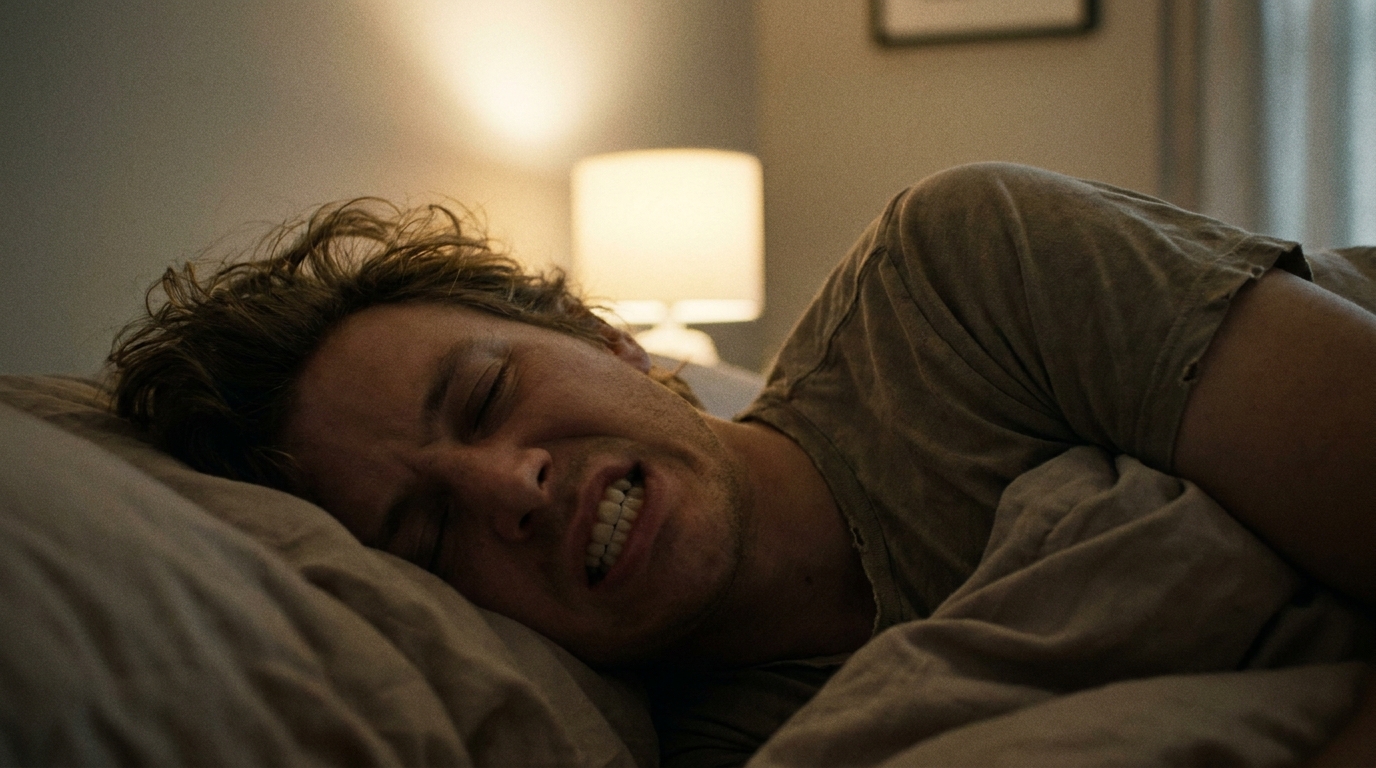
- Nighttime grinding that wears down tooth enamel
- Daytime clenching during work, driving, or concentration
- Stress-related jaw bracing without tooth contact
- Morning soreness that improves after moving the jaw
Oral Habits (e.g., Nail Biting, Gum Chewing)
Repetitive habits like nail biting, chewing gum excessively, biting pens, or chewing on hard objects create microtrauma by keeping the jaw in a loaded position. These habits may seem harmless, but over time they can fatigue the muscles and irritate the joint. We often suggest identifying and modifying one habit at a time during treatment.
- Chewing gum for hours each day
- Biting fingernails, pens, or pencils
- Chewing ice or hard candies
- Holding objects between the teeth
Poor Posture and Muscle Tension
Forward head posture and rounded shoulders increase tension in the neck and jaw muscles. Prolonged screen time, desk work, or looking down at a phone can shift the resting position of the lower jaw, adding strain to the temporomandibular joint. Many patients with TMD also report neck tightness or tension-type headaches, which we assess together.

- Prolonged sitting with the head forward of the shoulders
- Using a laptop or phone without adequate support
- Tight upper back and neck muscles from slouching
- Carrying heavy bags on one shoulder, tilting the head
Stress and Emotional Factors
Stress does not directly injure the joint, but it drives clenching, muscle tension, and nervous system arousal. Over time, this chronic microtrauma can lead to real physical changes and pain. Stress can also lower pain tolerance and make existing symptoms feel more intense. We see stress as both a trigger and a consequence of TMD, which is why stress management is often part of a comprehensive plan.
- Chronic stress or anxiety that increases daytime clenching
- Poor sleep quality, which reduces tissue recovery
- Emotional tension held in the jaw, neck, and shoulders
- Unresolved trauma or hypervigilance that keeps muscles braced
Systemic and Medical Conditions
Arthritis and Joint Disease
Osteoarthritis can wear down the cartilage inside the temporomandibular joint, leading to stiffness and crepitus. Inflammatory types of arthritis, such as rheumatoid arthritis and psoriatic arthritis, can directly attack the joint lining and surrounding tissues. We assess for systemic joint involvement if a patient has known arthritis elsewhere in the body.

- Osteoarthritis causing gradual joint degeneration
- Rheumatoid arthritis with symmetric joint inflammation
- Psoriatic arthritis affecting the jaw in some cases
- Ankylosing spondylitis or other spondyloarthropathies
Autoimmune Conditions
Conditions like systemic lupus erythematosus, Sjögren’s syndrome, and mixed connective tissue disease can involve the TMJ as part of a broader inflammatory process. The immune system attacks healthy joint tissue, leading to pain, swelling, and reduced function. We coordinate with rheumatology providers when autoimmune disease is suspected.
- Systemic lupus erythematosus with joint pain
- Sjögren’s syndrome causing dryness and joint symptoms
- Mixed connective tissue disease with overlapping features
- Scleroderma affecting tissue flexibility around the jaw
Infections
Although less common, bacterial or viral infections can affect the temporomandibular joint or the tissues around it. Dental infections, ear infections, or systemic infections may spread to the joint space, causing pain, swelling, and limited movement. Prompt medical treatment is essential in these cases.
- Dental abscess extending into the jaw
- Ear infections causing referred pain to the TMJ
- Septic arthritis of the TMJ, which requires urgent care
- Viral infections that trigger joint inflammation
Connective Tissue and Hypermobility Disorders
Conditions such as Ehlers-Danlos syndrome and generalized joint hypermobility can make the temporomandibular joint less stable. Everyday activities like yawning, chewing, or speaking may cause the joint to move beyond its normal range, leading to injury and pain. We modify our manual techniques for patients with hypermobility to avoid overstretching already lax tissues.
- Ehlers-Danlos syndrome, especially hypermobile type
- Hypermobility spectrum disorders with frequent subluxations
- Joint laxity that allows excessive jaw opening
- Family history of loose joints or dislocations
Medication and Hormonal Influences
Medication Side Effects
Certain medications can increase bruxism, muscle tension, or alter bone health, indirectly contributing to TMD. Selective serotonin reuptake inhibitors (SSRIs) used for anxiety or depression are known to cause nighttime grinding in some people. We always review a patient’s current medication list during a TMD assessment and may suggest a conversation with the prescribing provider if side effects are suspected.
- SSRIs and SNRIs that may increase bruxism
- Antipsychotics associated with movement disorders
- Stimulants for ADHD that can cause clenching
- Bisphosphonates affecting bone density in rare cases
Hormonal Influences
Estrogen receptors are present in the temporomandibular joint and surrounding tissues. Hormonal fluctuations during menstrual cycles, pregnancy, or menopause may influence pain sensitivity, tissue laxity, and inflammation. This may partly explain why TMD is more common in women of childbearing age, a pattern we see frequently in clinical practice.
- Fluctuating estrogen levels during the menstrual cycle
- Pregnancy-related ligament laxity and postural changes
- Perimenopause and menopause with altered pain modulation
- Hormonal contraceptives affecting estrogen balance
Genetic and Demographic Risk Factors
Genetic Predisposition
Family studies suggest that genetics can influence pain processing, joint structure, and inflammatory response. Having a close relative with TMD may increase your risk, although no single gene has been identified. We ask about family history during an assessment to understand your baseline vulnerability, but we treat every case as unique.
- Family history of TMJ disorder or chronic pain
- Inherited variations in collagen or joint structure
- Genetic factors affecting pain sensitivity
- Shared family habits that may also contribute
Demographic Risk Factors
TMD is more commonly diagnosed in women, especially between the ages of 20 and 50. For severe, chronic cases, the female-to-male ratio can approach 9:1. Age also plays a role, with onset often in early adulthood and sometimes improving after menopause. These patterns highlight the importance of considering sex and hormonal status when evaluating jaw pain.
In our clinical work, we always assess demographic and hormonal factors alongside mechanical ones, because a person’s sex, age, and hormonal status can shape how the temporomandibular joint responds to everyday loads.
- Female sex, particularly during reproductive years
- Age between 20 and 50 for initial onset
- Higher prevalence of severe symptoms in women
- Possible improvement after menopause in some cases
Idiopathic Causes
In many cases, we cannot identify a single primary cause of TMJ disorder. Instead, the condition arises from a combination of subtle factors—minor muscle imbalances, low-grade inflammation, stress, posture changes, and genetic predisposition—that together exceed the joint’s capacity to adapt. This does not mean the pain is imaginary or less valid; it means the disorder is multifactorial and often requires a stepwise approach to uncover the most influential triggers.
- Overlapping mild contributors that are hard to isolate
- No clear injury or medical condition preceding symptoms
- Symptoms that began gradually without an obvious event
- A combination of stress, posture, and minor joint changes
Seeking Professional Help for TMJ Disorder
Because the causes of TMJ disorder are so varied, accurate diagnosis is essential. We assess jaw range of motion, muscle tenderness, joint sounds, posture, and daily habits. We also ask about medical history, medications, and stress levels, because these pieces often hold the key to why symptoms began and why they persist. In some cases, we may recommend collaborating with a dentist, physician, or rheumatologist to rule out other conditions that can mimic TMD.
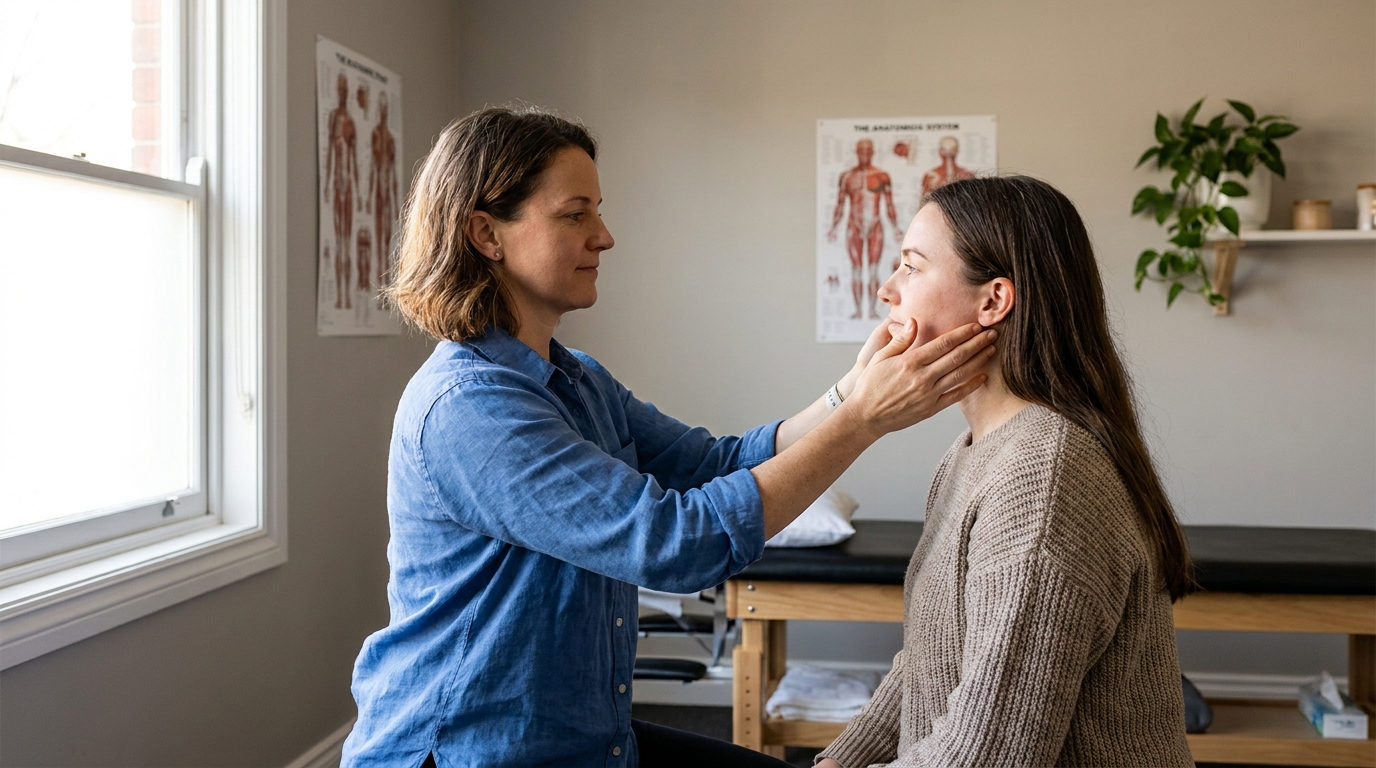
If jaw pain, clicking, or limited opening is interfering with your daily life, a thorough assessment can help identify which triggers are most relevant to you. From there, we can build a plan that addresses the root causes rather than just masking symptoms. Many people find meaningful relief once the right combination of factors is identified and managed.