

If you have persistent jaw pain, you may be asking what mimics TMJ disorder? Conditions that cause similar jaw pain and how to get the right diagnosis can be confusing because the temporomandibular joint sits close to teeth, sinuses, and muscles. The symptoms often overlap, which is why many people receive treatment for the wrong problem before finding relief.
In our clinical practice, we regularly meet patients who have been told they have TMJ disorder when the real source is something else. The opposite also happens: a dental or sinus condition gets blamed for what is actually a temporomandibular joint problem. Understanding the differences matters, because each condition requires a different approach to treatment.
Understanding TMJ Disorder Symptoms
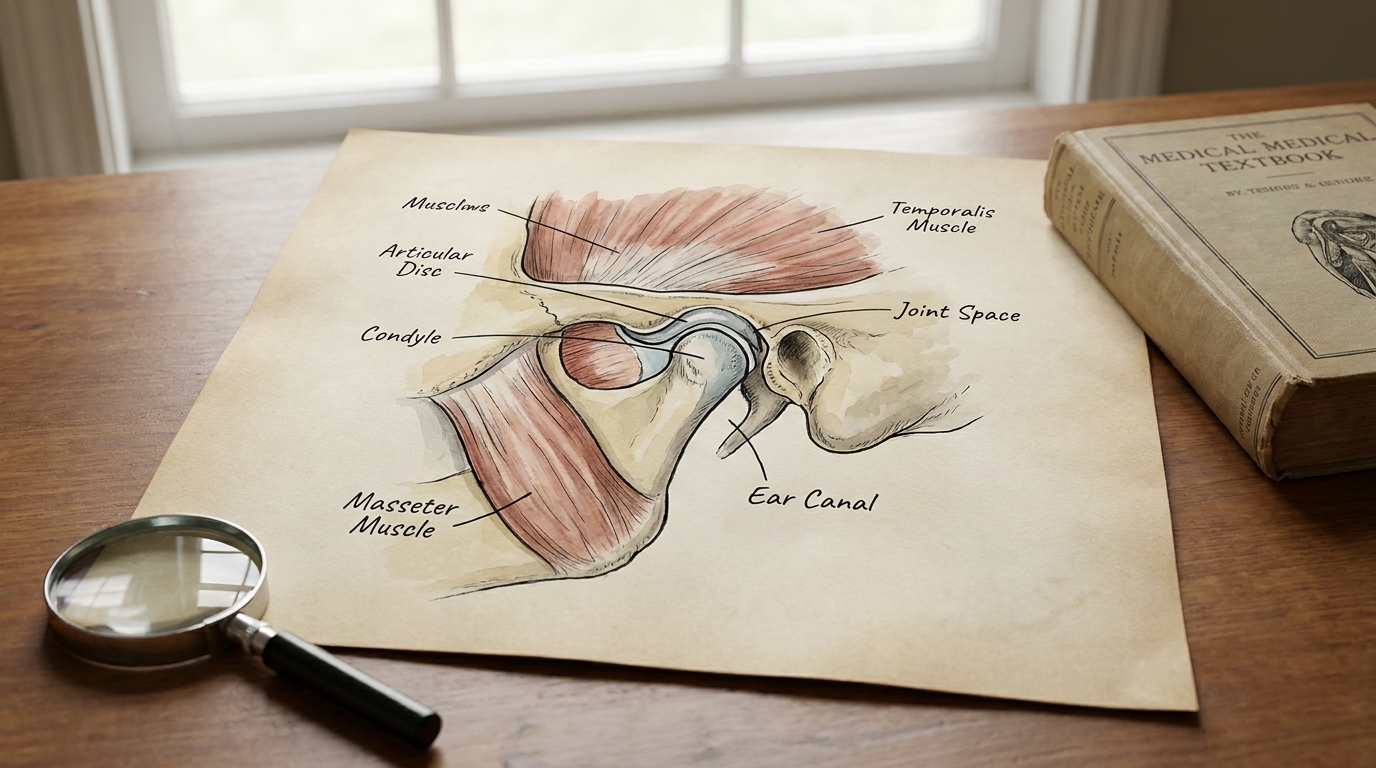
The temporomandibular joint connects your lower jaw to your skull, and it works every time you chew, speak, yawn, or swallow. When this joint or the muscles around it are not functioning well, the result is often a set of symptoms that include:
- Pain or tenderness in the jaw joint area, just in front of the ear
- Clicking, popping, or grinding sounds when opening or closing the mouth
- A jaw that locks or feels stiff, especially in the morning
- Difficulty opening the mouth wide or pain with chewing
- Headaches, earaches, or pain that spreads to the neck and shoulders
These symptoms can be constant or come and go. They may be triggered by teeth grinding, clenching, stress, or an injury to the jaw. Because the joint is so close to the ear, sinuses, and teeth, TMJ disorder can easily be mistaken for other problems, and other problems can be mistaken for TMJ disorder.

Conditions That Mimic TMJ Disorder
Many conditions share symptoms with TMJ disorder. Here are the most common ones we see when a patient’s jaw pain turns out to have a different cause.
Arthritis of the Jaw Joint
Osteoarthritis or rheumatoid arthritis can affect the temporomandibular joint just as they affect other joints. Arthritis in the jaw may cause pain, stiffness, and grinding or crunching sounds when the jaw moves. Unlike muscle-related TMJ pain, arthritis pain often feels deeper in the joint and may be worse after long periods of chewing or talking. A key distinction is that arthritis pain usually develops gradually and may be accompanied by swelling or tenderness directly over the joint, whereas TMJ disorder from muscle tension often involves tightness in the cheeks and temples.
Sinus Infections and Sinusitis
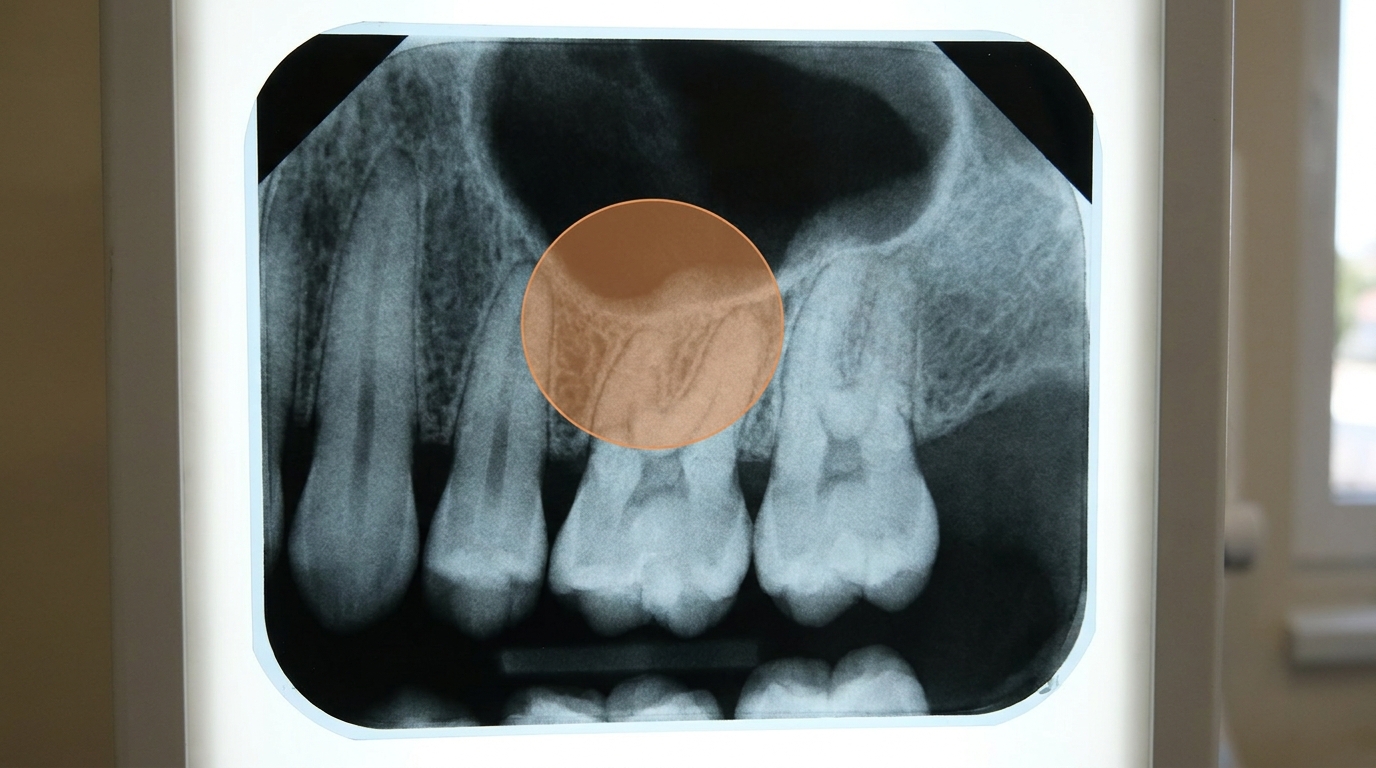
The maxillary sinuses sit just above the upper back teeth and very close to the jaw joint. When they become inflamed or infected, the pressure can radiate to the jaw, teeth, and around the eyes. Sinus pain is often described as a dull, constant ache that worsens when you bend forward or lie down. It may also come with nasal congestion, postnasal drip, or a reduced sense of smell. TMJ disorder, by contrast, typically worsens with jaw movement, not changes in head position.
Tooth Decay and Cavities
A cavity can cause tooth sensitivity to hot, cold, or sweet foods, and as decay progresses it can create a persistent toothache that radiates into the jaw. The pain may feel like it is coming from the jaw joint, especially if the affected tooth is in the back of the mouth. However, tooth decay pain is usually triggered or worsened by eating, drinking, or biting down on something, while TMJ pain is more likely to be triggered by opening, closing, or moving the jaw sideways.
Gum Disease (Periodontal Disease)
Advanced gum disease can cause gum recession, bone loss, and deep pockets around the teeth. This can lead to a dull, throbbing pain in the gums and jawbone, and teeth may feel loose. The discomfort can radiate upward and be mistaken for TMJ pain. A distinguishing feature is that gum disease often causes bleeding when brushing or flossing, persistent bad breath, or a bad taste in the mouth—symptoms that are not part of TMJ disorder.
Dental Abscess or Root Canal Pain
An infected tooth or dental abscess can produce severe, throbbing pain that spreads to the jaw, ear, and even the neck. The pain may feel constant and worsen when lying down, similar to sinusitis but more localized to one tooth. The tooth may be extremely sensitive to pressure, and there may be visible swelling in the gum or face. TMJ pain is rarely as sharp or constant as an abscess; TMJ pain tends to fluctuate with jaw use and often includes clicking or locking, which an abscess does not.
How to Get the Right Diagnosis
If your jaw pain does not fit neatly into TMJ disorder, the next step is a careful evaluation. Because so many conditions overlap, getting the right diagnosis often involves ruling out other causes one by one.
Differentiating TMJ Disorder from Dental Pain
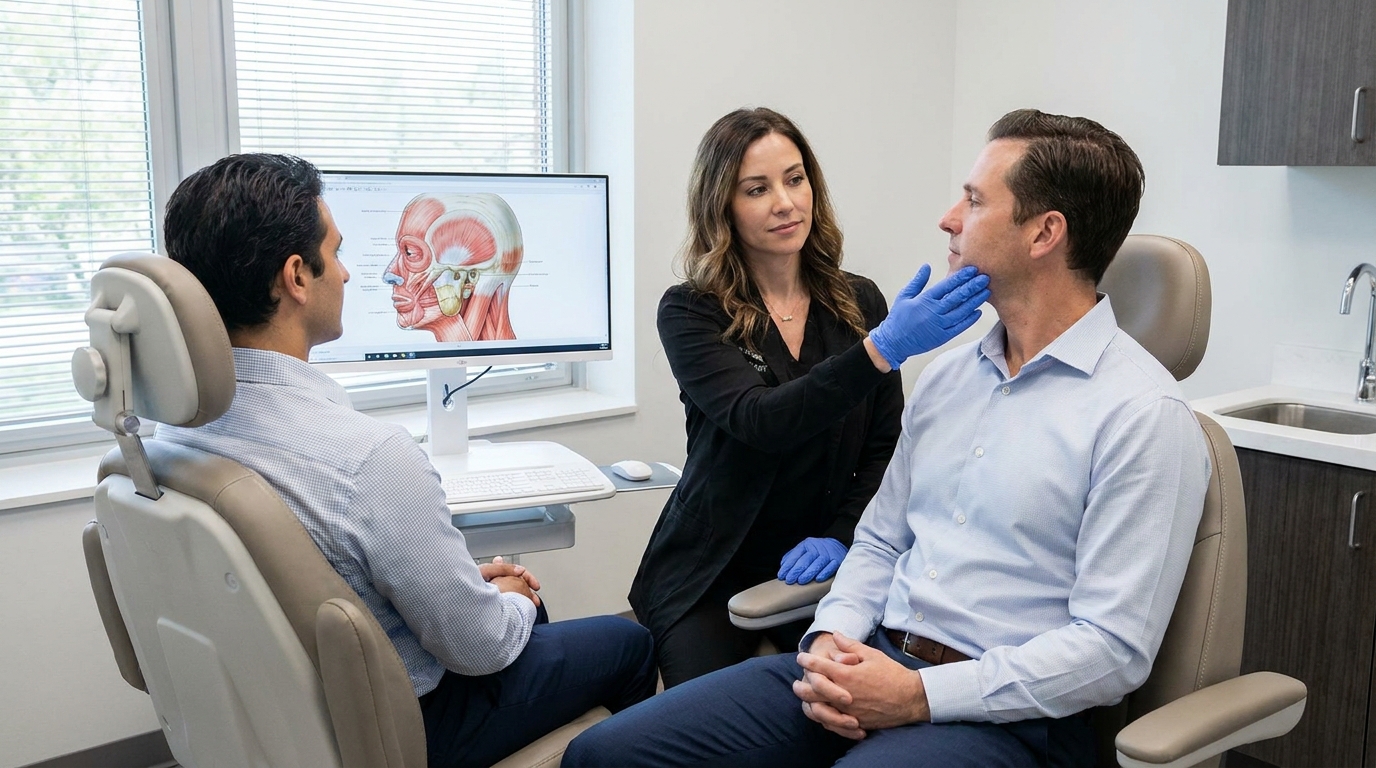
One of the first things we do when a patient comes in with jaw pain is ask detailed questions about what makes the pain better or worse. Dental pain is typically provoked by chewing on a specific tooth, temperature changes, or pressure. TMJ pain is more likely to be provoked by opening wide, yawning, or clenching. We also palpate the jaw muscles and the joint itself: tenderness in the masseter or temporalis muscles points toward a muscle-related TMJ issue, while pain that reproduces only when tapping on a tooth suggests a dental origin.
Another clue is the presence of joint noises. Clicking, popping, or grating sounds with jaw movement are strong indicators of a temporomandibular joint problem, not a tooth or sinus issue. If the pain is accompanied by sinus symptoms like congestion or pressure that changes with head position, a sinus evaluation may be more appropriate.
Diagnostic Process for TMJ Disorder
When TMJ disorder is the suspected cause, a thorough assessment includes reviewing your health history, asking about habits like clenching or grinding, and performing a physical exam of the jaw’s range of motion. We may ask you to open and close slowly while we listen and feel for joint noises or irregular movement. In some cases, imaging such as X-rays or MRI can help rule out arthritis or structural changes in the joint, though many TMJ problems are diagnosed based on the clinical exam alone.
The diagnostic process is not about guessing; it is about systematically narrowing down the possibilities. If your symptoms point toward a dental condition, a dentist should be involved. If they point toward a sinus infection, a medical evaluation is needed. For many jaw pain cases, a team approach that includes dental, medical, and musculoskeletal perspectives provides the clearest answer.
If you are still unsure whether your jaw pain is coming from the TMJ, a tooth, or your sinuses, we can help. Our clinicians are trained to evaluate jaw function and coordinate with your dental or medical providers so you can get the right diagnosis and the right treatment plan.