


A gait assessment is not just watching someone walk. It is a structured clinical evaluation of how the entire body moves during walking, from foot strike to hip and trunk control, and it often uncovers issues that a standing exam cannot. If you have been told you walk unevenly, experience recurring pain with walking, or simply want to understand why your stride feels off, knowing what to expect during a gait assessment can help you prepare and get far more from the appointment.
This guide walks you through the step-by-step process of what to expect during a gait assessment, from the initial history to the final recommendations, so you can arrive confident and leave with a clear plan.

What is a Gait Assessment?
A gait assessment is a structured evaluation of how you walk or run. It looks at more than just foot placement; it considers joint angles, muscle activation, balance, and the timing of each step. We use it to identify movement patterns that may contribute to pain, stiffness, inefficiency, or fall risk.
Definition and Goals of Gait Analysis
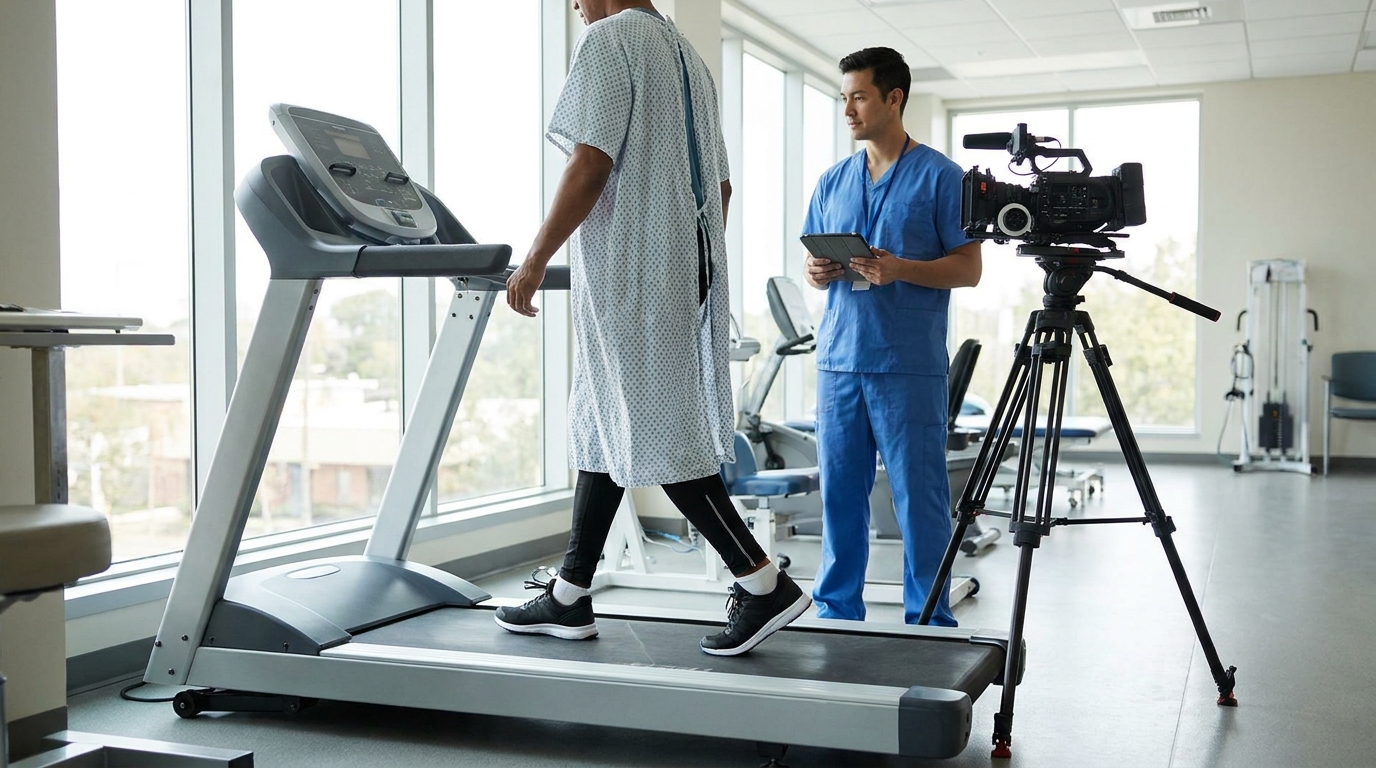
During a gait analysis, we observe your walking pattern at a comfortable pace, often while you move in a straight line or on a treadmill. The goal is to break the gait cycle into phases—stance and swing—and see how your foot, ankle, knee, hip, and trunk coordinate. We look for asymmetries, compensations, and deviations from typical movement ranges. The findings become a baseline for treatment and exercise planning.
Who Can Benefit from a Gait Assessment?
Gait assessment is not only for athletes or older adults. Anyone with recurring foot, ankle, knee, hip, or back pain with walking can benefit. It is also valuable after an injury or surgery when you notice a limp or altered stride, and for people who stand or walk for long periods at work. Runners use it to refine form, while individuals with neurological conditions may need it to monitor changes in coordination.
The Role of Gait Assessment in Overall Mobility and Health
Walking is a complex activity that depends on strength, flexibility, balance, sensation, and cardiovascular fitness. A gait assessment connects how these systems work together under real-world demands. When we find that limited ankle mobility causes overpronation, for example, we can address the root cause instead of just the symptom of arch pain. That makes gait analysis a key part of whole-person mobility care.
How to Prepare for Your Gait Assessment
A little preparation can make your gait assessment more accurate and actionable. The more we see you as you normally move, the better we can identify what matters.
What to Bring: Medical History and Relevant Records
Bring a list of current medications, any recent imaging or rehab reports, and notes about past injuries or surgeries. If you use a cane, walker, orthotic, or brace, bring those as well. We need to see how you use them because that is part of your everyday gait.
What to Wear: Appropriate Clothing and Footwear
Wear comfortable clothing that allows your legs to be seen clearly—shorts or fitted pants are ideal. Bring the shoes you wear most often, plus any athletic shoes you use for exercise. Avoid new or unusual footwear on the day of the assessment, since we want to see your typical foot position and wear patterns.
Mental Preparation: Knowing What to Expect
Many people feel self-conscious about walking while being observed. Remember that everyone has unique movement patterns, and the goal is not to judge but to understand. We will explain each step as we go, and you can stop or rest at any time. Writing down a few examples of when walking feels difficult—stairs, uneven ground, long distances—helps us tailor the assessment to your daily life.
What to Expect During a Gait Assessment: Step-by-Step Process
Initial Consultation and Medical History Review
We start with a conversation about your walking concerns, when they started, what makes them worse, and whether you have had falls or near-falls. We review your medical and surgical history, current symptoms, medications, and your goals—whether that is walking pain-free, returning to running, or simply feeling steadier on stairs.
Physical Examination: Strength, Flexibility, and Range of Motion
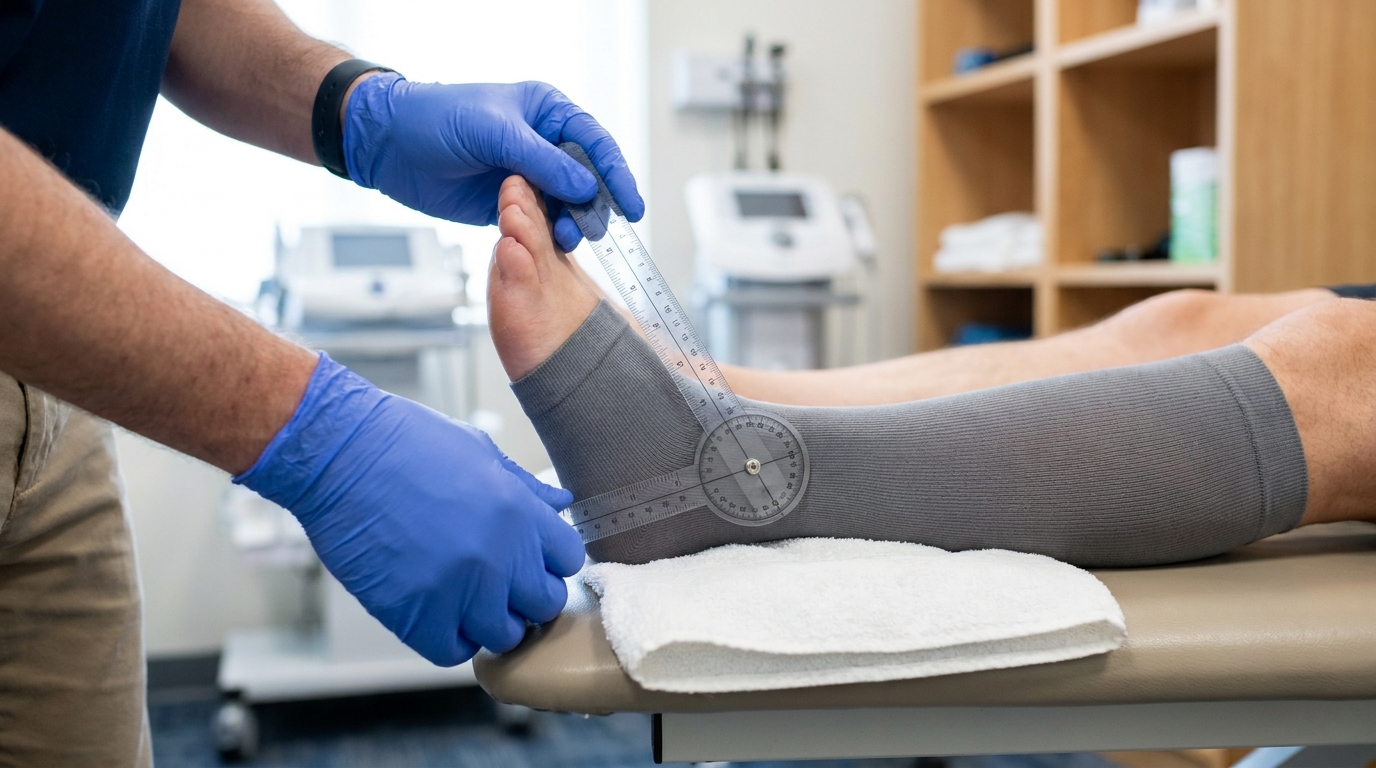
Before we watch you walk, we examine you standing and lying down. We check joint range of motion at the ankles, knees, hips, and spine; test muscle strength in the legs and core; and assess soft tissue flexibility. This helps us understand what might limit your gait before we even see you move.
Observational Gait Analysis: Walking Patterns and Posture
Then we ask you to walk at your normal pace, usually back and forth across a room or down a hallway. We watch from the front, side, and behind, looking at foot strike, step length, arm swing, pelvic position, trunk lean, and symmetry. You may also be asked to walk faster, turn quickly, or walk on your toes or heels to challenge different systems.
Dynamic Assessment: Balance and Functional Tasks
Gait is more than straight-line walking, so we add functional movements: stepping over a small obstacle, climbing a step, turning 180 degrees, standing on one leg, or walking while counting backwards. These tasks reveal how well your balance and coordination hold up under divided attention—a key factor in daily life and fall risk.
Types of Gait Analysis Techniques Used
Different tools give different levels of detail. We choose techniques based on your needs and the clinical questions we are trying to answer.
Visual Observation: The Clinician’s Trained Eye
A careful visual assessment remains the foundation. Experienced clinicians can spot subtle deviations such as early heel rise, dropped pelvis, or excessive inward knee motion. Visual analysis is immediate, requires no special equipment, and can be repeated easily to track changes over time.
Video-Based Gait Analysis: Capturing Motion for Detailed Review
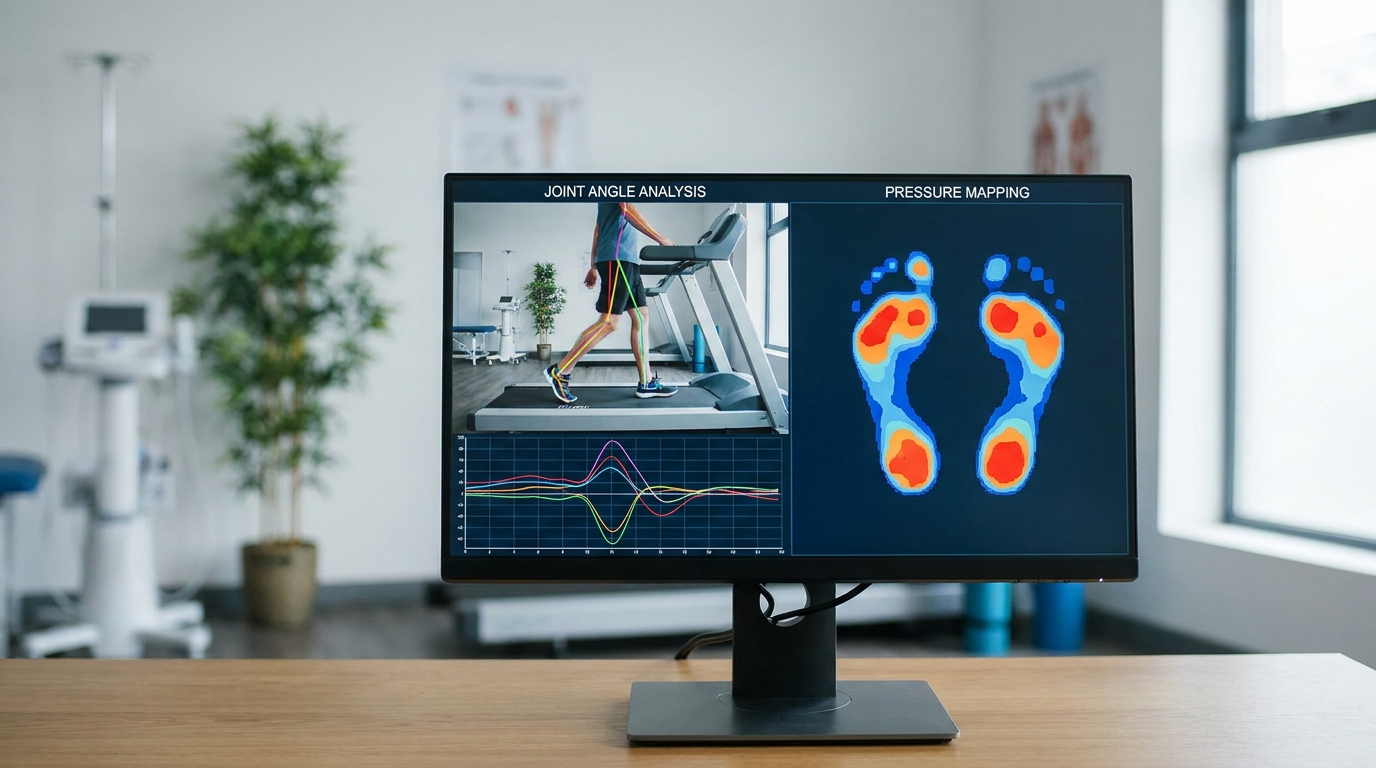
When we need to see movement frame by frame, we record you walking from multiple angles. Video lets us slow down the gait cycle, measure joint angles, and compare your left and right sides. It also gives you a clear picture of what we are seeing, which makes it easier to understand your own movement patterns.
Advanced Technologies: Pressure Plates, Motion Capture, and Wearable Sensors
Some assessments use pressure plates or in-shoe sensors to map how force is distributed under your feet during stance. Motion capture systems with reflective markers provide precise kinematic data on joint motion. Wearable sensors can measure step count, symmetry, and impact loading outside the clinic. We use the least complex tool that answers the question, and explain every finding in plain language.
Interpreting the Results: What the Findings Mean for You
At Fulcrum Therapy, our combined chiropractic, physiotherapy, and kinesiology team connects your gait findings to a coordinated care plan. Every session is one-on-one, and we explain each recommendation in plain language so you leave knowing exactly what to do next.
Common Gait Deviations and Their Implications
Common findings include overpronation, where the foot rolls inward excessively, or supination, where weight stays on the outer edge. Other deviations include leg length discrepancy, reduced knee flexion, hip hiking, or a Trendelenburg pattern where the pelvis drops on one side. Each pattern places different stress on joints and soft tissues and can explain pain in the foot, knee, hip, or back.
Linking Gait Patterns to Underlying Conditions
A gait deviation is not a diagnosis by itself. It may stem from muscle weakness, joint stiffness, pain avoidance, neurological changes, or poorly fitted footwear. We interpret the movement pattern alongside your history and physical exam to identify the likely contributors. For example, a stiff ankle after a sprain can force the knee inward, causing medial knee pain—a chain we can then treat at both ends.
How Results Guide Treatment Plans and Recommendations
The results directly shape your plan. We may recommend specific strengthening or mobility exercises, gait retraining cues, footwear adjustments, or referral for orthotic assessment. If balance deficits show up, we add balance and proprioception drills. You receive a written summary of findings and a prioritized list of next steps, so the assessment is never an end in itself.
The Connection Between Gait, Balance, and Fall Risk
Gait and balance are closely linked but not the same. You can stand steadily yet struggle when turning, changing speed, or stepping over objects. That is why a thorough gait assessment includes balance challenges and dual-task walking.
Why Gait Assessment Includes Balance Evaluation
Walking requires controlling your center of mass over a moving base of support. Any weakness in the ankle, hip, or core, or reduced sensation in the feet, can affect that control. We test static balance (standing still) and dynamic balance (while moving) to see how well you recover from small perturbations. Poor performance often correlates with fear of falling and reduced community mobility.
Identifying Fall Risk Factors Through Gait Analysis
Certain gait patterns raise fall risk: slow walking speed, short steps, wide base, irregular step timing, or needing to hold onto walls. When we combine those with a history of near-falls or dizziness, we can pinpoint which factors are modifiable. For example, weak hip abductors can cause a lateral lean that makes you unsteady on uneven ground, and targeted strengthening can reduce that risk.
Preventative Strategies Based on Assessment Findings
Prevention often starts with simple, consistent exercises. We may design a home program focusing on single-leg stance, tandem walking, or obstacle stepping. We also review footwear, home hazards, and walking-aid fit. For older adults, improving gait speed and step symmetry has been shown to reduce fall risk independent of other factors.
Next Steps: Putting Your Gait Assessment into Action
The value of a gait assessment lies in what you do afterwards. Here is how to turn your findings into lasting improvement.
Discussing Results with Your Healthcare Provider
We encourage you to share your assessment summary with your family physician, physiotherapist, or other care providers. Coordinated care ensures everyone works from the same understanding of your movement patterns. If you have questions later, we are happy to review the video or data with you.
Developing a Personalized Treatment or Exercise Plan
Your plan may include a combination of in-clinic treatment and a home exercise routine. We focus on the two or three highest-yield changes first—maybe improving ankle mobility, strengthening hip stabilizers, or retraining your step length. We schedule follow-up visits to monitor progress and adjust the plan as your gait improves.
When to Schedule Follow-Up Assessments
A follow-up gait assessment is useful after a few weeks of treatment, after a new injury, or if you notice a change in your walking. Repeating the same tasks and measurements shows objectively how far you have come and highlights what still needs work. For ongoing conditions, an annual gait check can catch subtle declines before they become major mobility problems.
If you are ready to understand your walking and take control of your mobility, contact us to book a gait assessment. We will walk you through each step and build a plan that fits your goals.